
HYPOCRITE IDLER 4Q2025
By:
December 24, 2025
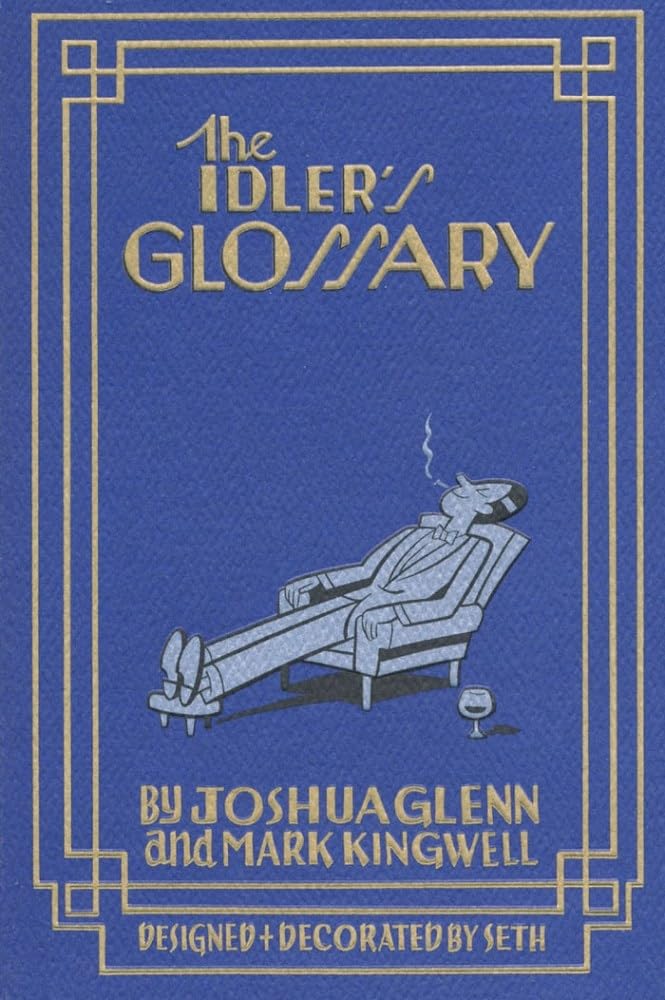
To idle is to work on meaningful and varied projects — and to take it easy. The title of the series refers to this self-proclaimed idler’s inability to take it easy.
HILOBROW is a noncommercial blog. None of the below should be construed as an advertisement for one of my various, more or less profitable projects. This series is merely intended to keep HILOBROW’s readers updated on the editor’s doings and undoings.
I am grateful to the talented and generous folks with whom I’ve collaborated during 4Q2025.
MORE HYPOCRISY: 2010 | 2011 | 2012 | 2013 | 2014 | 2015 | 2016 | 2017 | 2018 | 2019 | 2020 | 2021 | 2022 | 2023 | 2024 | 2025 | 1Q2026.
Also see: HILOBROW 4Q2025 [coming up]
I’m cofounder of the semiotics-fueled consultancy SEMIOVOX. Our methodology provides insight and inspiration — to brand and organization strategy, marketing, design, innovation, and consumer insights teams, as well as to their agency partners — regarding the unspoken local/global “codes” that help shape perceptions of and guide behavior within product categories and/or sociocultural territories.
During 4Q2025, our projects included (but were not limited to) the following.

CRAFTED BEVERAGE CODES. On behalf of a multinational beverage company, we kicked off a project analyzing Crafted Beverage codes in seven markets worldwide. We’ve enjoyed collaborating on this project with Becks Collins (England), Sarah Johnson of Athena Brand Wisdom (Canada), Labbrand (China), Aya Kanda of Salt (Japan), Mariane Cara of Comunicara (Brazil), and Marion Polauck (Germany). We’ll continue working on this major audit through 1Q2026. Product innovation, brand positioning, marketing optimization, retail design.
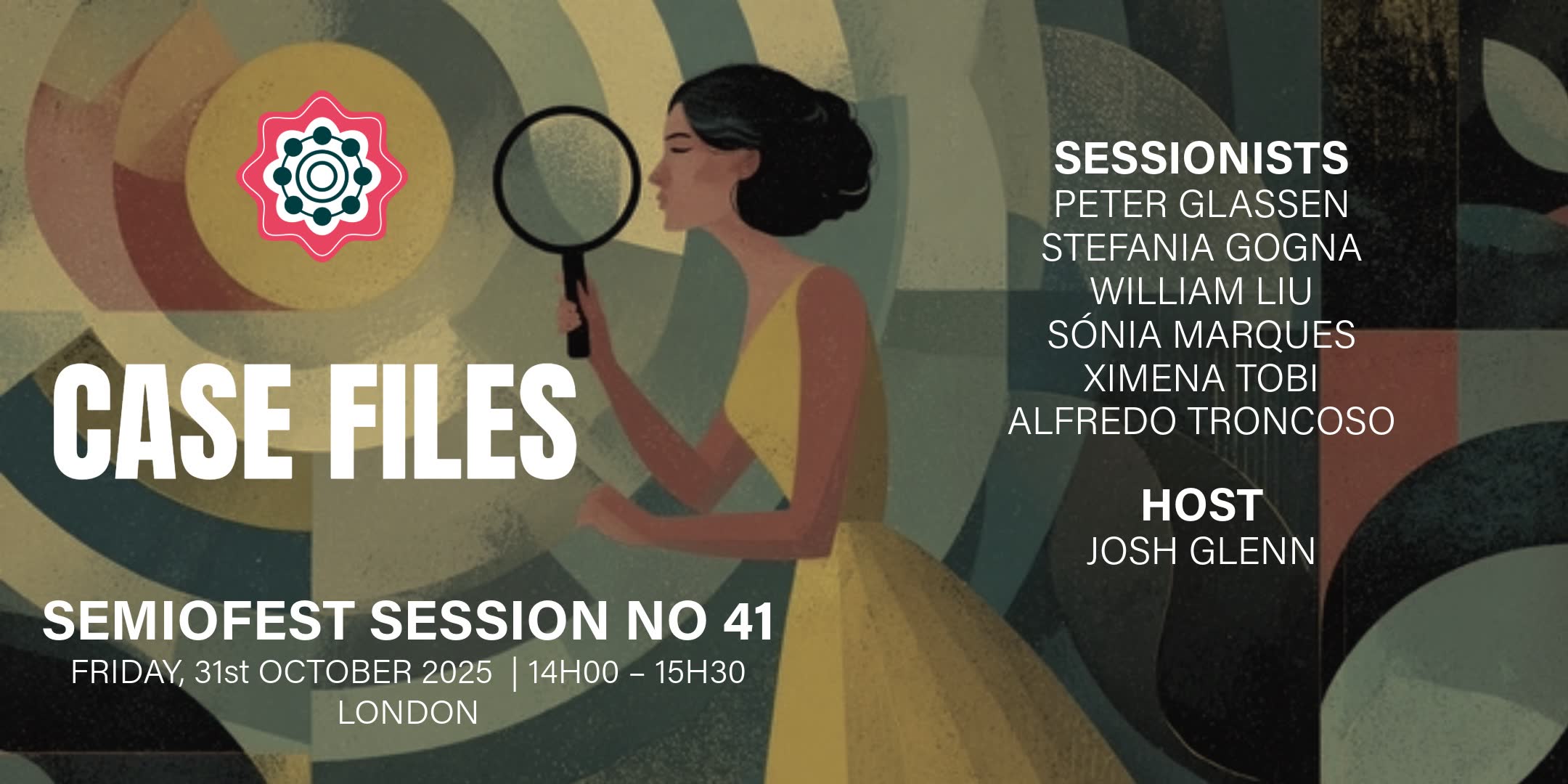
In October, I hosted a Semiofest Session on the topic CASE FILES.
We commercial semioticians tend to discover all sorts of things — whether amazing, amusing, or tragic — that challenge our assumptions, make us sit up and say “Wow!” For this session, I invited colleagues from China, Portugal, Argentina, Sweden, Mexico, and Italy to share stories of serendipitous discoveries… and to reveal how these discoveries were received by their clients. Case files originally published at SEMIOVOX.
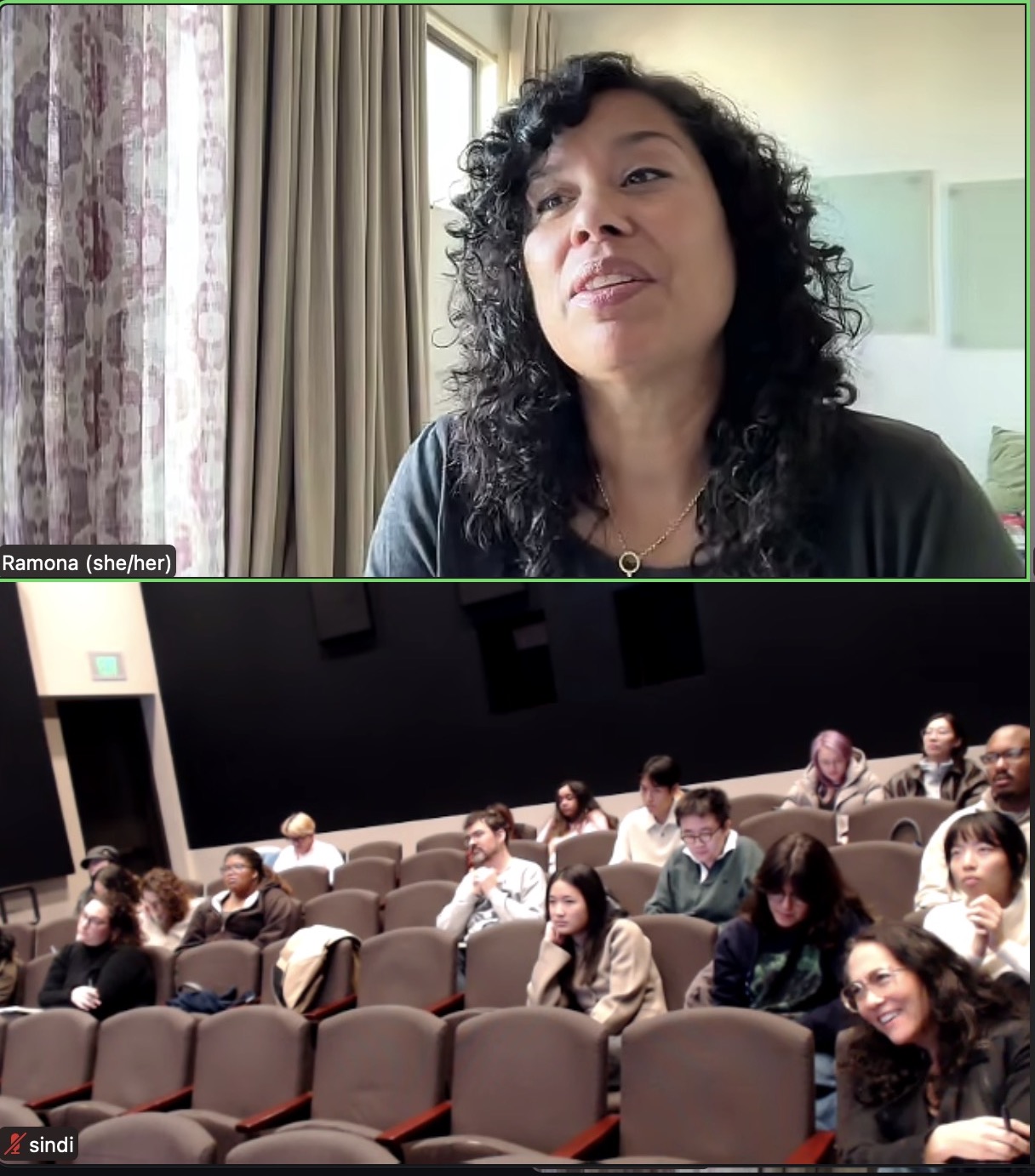
In November, Ramona Lyons and I discussed (via Zoom) our work as consulting semioticians working in the TV space with my friend Michelle Chihara’s USC Cinema & Media Studies class.

This semester, I have been serving as an informal advisor to two RISD MID students whose thesis projects are related to my own interests. It’s fun and intellectually rewarding to stay connected with the MID program, even though I have moved too far away from Providence to continue as an adjunct there.

My new friend Paul Sturtz, who is co-Executive Director of the independent cinema collective Upstate Films invited me (and 11 other UF members, including HILOBROW friend Will Hermes) to speak about personally meaningful film scenes. I spoke about the blocking in a very brief, hymn-singing scene from Tender Mercies (w. Horton Foote, d. Bruce Beresford, 1983).
HILOBROW is published by King Mixer LLC; I’m the editor. To see everything that we’ve published recently, please check out the post HILOBROW 4Q2025. Here, I’ll just mention two series.

During 4Q2025, HILOBROW published SKANK YOUR ENTHUSIASM, a series of enthusiastic posts, contributed by 25 HILOBROW friends and regulars, on our favorite… ska songs! Here’s a sampling of the lineup:
Douglas Wolk on Millie’s MAYFAIR | Lynn Peril on Prince Buster’s TEN COMMANDMENTS | Mark Kingwell on The [English] Beat’s TEARS OF A CLOWN | Annie Nocenti on Jimmy Cliff’s MISS JAMAICA | Mariane Cara on The Selecter’s ON MY RADIO | Adam McGovern on The Specials’ GHOST TOWN | Josh Glenn on The Ethiopians’ TRAIN TO SKAVILLE | Susannah Breslin on The [English] Beat’s MIRROR IN THE BATHROOM | Carl Wilson on Prince Buster / Madness’s ONE STEP BEYOND
As the SKANK series editor, I am very grateful to the series’ contributors, many of whom donated their honoraria to Veterans Fighting Fascism.

Also during 4Q2025, HILOBROW published BROKEN KNOWLEDGE, a serialization of an epistolary dialogue about science fiction (from 2022) between me and the philosopher (and stalwart HILOBROW friend and contributor) Mark Kingwell.
Excerpt:
So much of our routine phenomenology is irreproducible because it lies at the level of texture, odor, nagging feelings, shards of memory, tiny anxieties, and the like. An android needs to walk around the world in order to have a world, and maybe share it with us; but it’s still hard to imagine how anything not made of flesh could possess consciousness as we think of it. I’m okay with that, as I argue in Singular Creatures. Bring on the new forms of life!
— Mark Kingwell
Here’s the BROKEN KNOWLEDGE lineup:
FIRST CONTACT | WHAT IF? | A HYBRID GENRE | COUNTERFACTUALS | A HOT DILUTE SOUP | I’M A CYBORG | APOPHENIC-CURIOUS | AN AESTHETICS OF DIRT | PAGING DR. KRISTEVA | POLICING THE GENRE | FAMILIAR STRANGENESS | GAME OVER | THE WORLD VIEWED | DEFAMILIARIZATION | SINGULAR CREATURES | ALIEN ARCHAEOLOGIST | THE PHENOMENOLOGY OF SCREEN-TIME | HOMO SUPERIOR | EVERYTHING IS US.
To see my solo HILOBROW series and posts from 4Q2025, please check out the WRITING (HILOBROW) section of this post; to see what’s coming up soon, please see the post 1Q2026 SNEAK PEEK.
SEMIOVOX, my branding consultancy’s eponymous website, is published by SEMIOVOX LLC; I’m the editor. For a full update on what we’ve published recently, please see the post SEMIOVOX 4Q2025. Here, I’ll just mention a few highlights.

MAKING SENSE is a long-running series of Q&As dedicated to revealing what makes semioticians tick. Here’s a sampling of the 4Q2025 series lineup:
MANAR R EL WAHSH (Canada) | DARIA ARKHIPOVA (Italy) | DANIELE DODARO (Italy) | MARION POLAUCK (Germany) | ESTEFANIA RODRÍGUEZ (Mexico) | SUNDARI SHELDON (USA) | SONIA SKINS (Taiwan)

During 4Q2025, SEMIOVOX wrapped up MEDIA DIET, a series exploring the media “input” of a group of people — our commercial semiotician colleagues, from around the world — whose “output” we admire. Here’s a sampling of the 4Q2025 series lineup:
JIAKUN WANG (Shanghai) | FRANCISCO HAUSS (China / Mexico) | ASHLEY MAURITZEN (England) | STEFANIA GOGNA (Italy) | BECKS COLLINS (England) | ANTJE WEISSENBORN (Germany) | MARIANE CARA (Brazil) | MARTHA ARANGO (Sweden) | PAULINA GOCH-KENAWY (Poland) | COCO WU (Singapore / China)
I’m founder and co-convenor (with Adelina Vaca, as of late 2025) of SEMIOFEST SESSIONS, a series of online get-togethers — intended not only to share best practices among, but to nurture collegiality and friendship within the global semio community.
For a full update on recent Semiofest Sessions, please see the post SEMIOVOX 4Q2025. In addition to the session on CASE FILES mentioned above, I’ll mention one other:
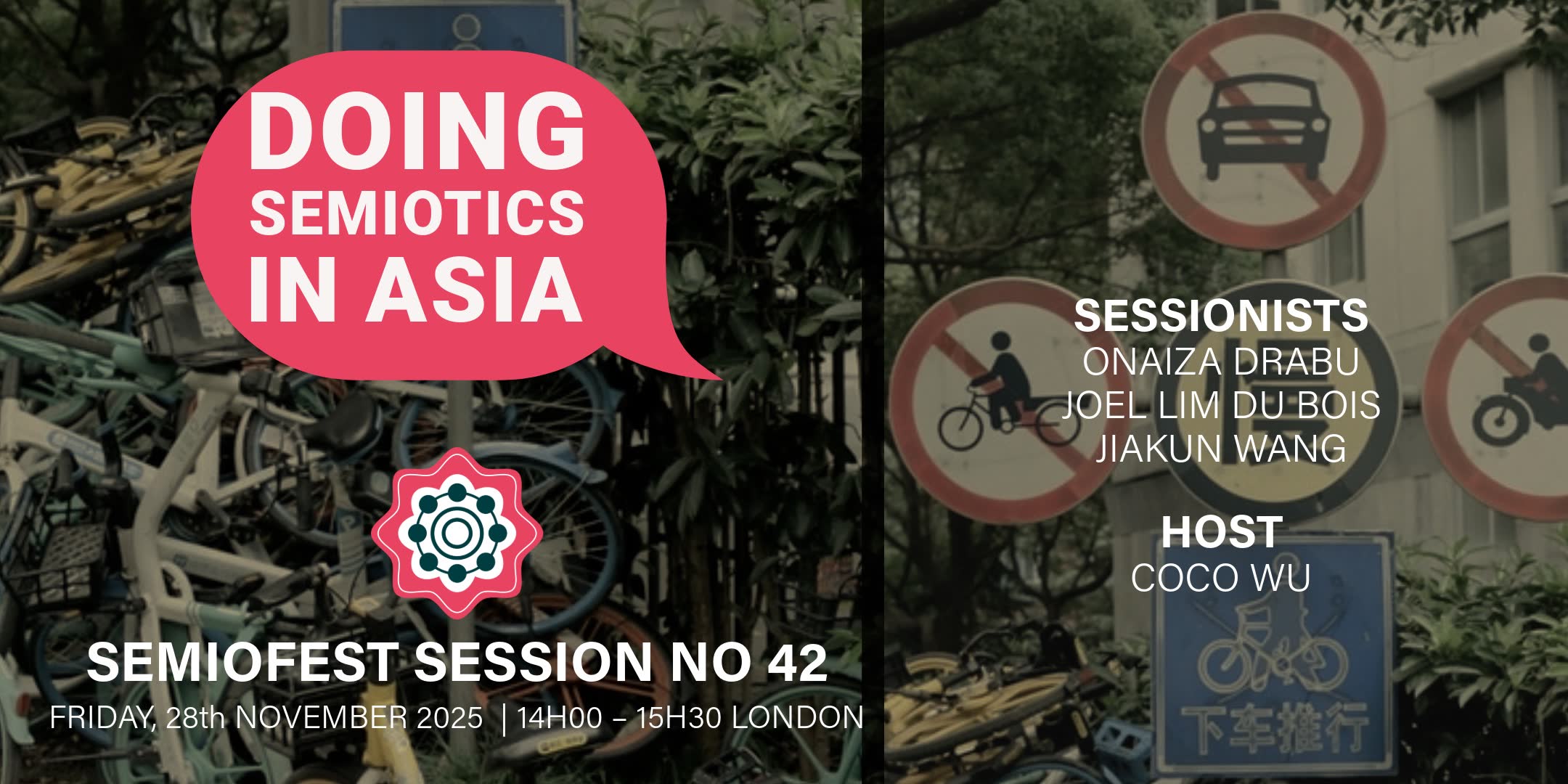
NOVEMBER: DOING SEMIOTICS IN ASIA. As Asia takes a center stage in global cultural and economic flows, semiotic analysis in the region faces unique opportunities and tensions. Coco Wu invited 3 semioticians from different countries in Asia to discuss the ins and outs of semiotics in Asian contexts and how Eastern philosophies — with their emphasis on cyclical rather than linear time, harmony over opposition, and relational identity — might expand the very way we think about meaning-making.
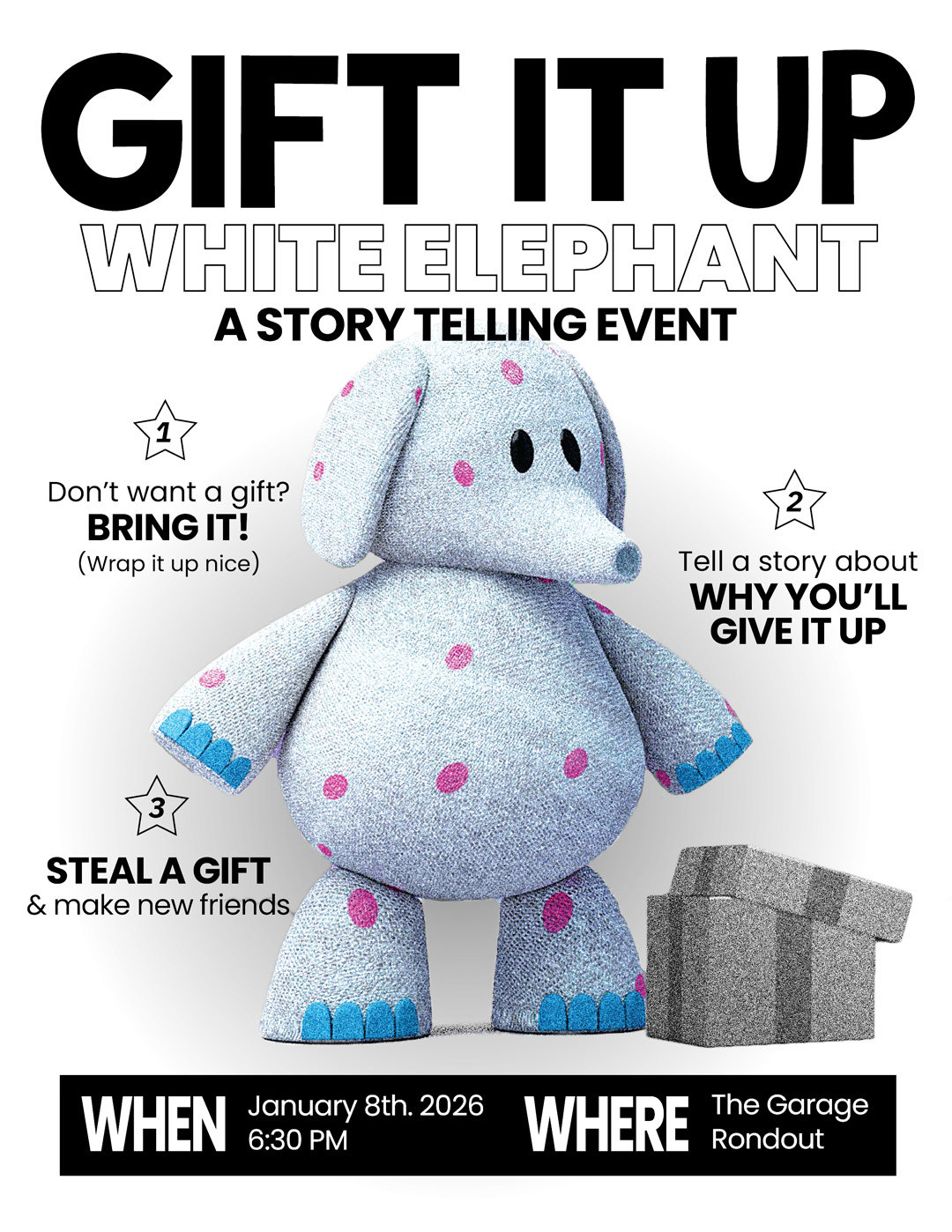
The PROJECT:OBJECT KINGSTON team, the same folks who brought you GIVE IT UP this past summer, is working now on several small, one-off, experimental object-oriented story-telling events for 2026. GIFT IT UP will be the first of these experiments — stay tuned!
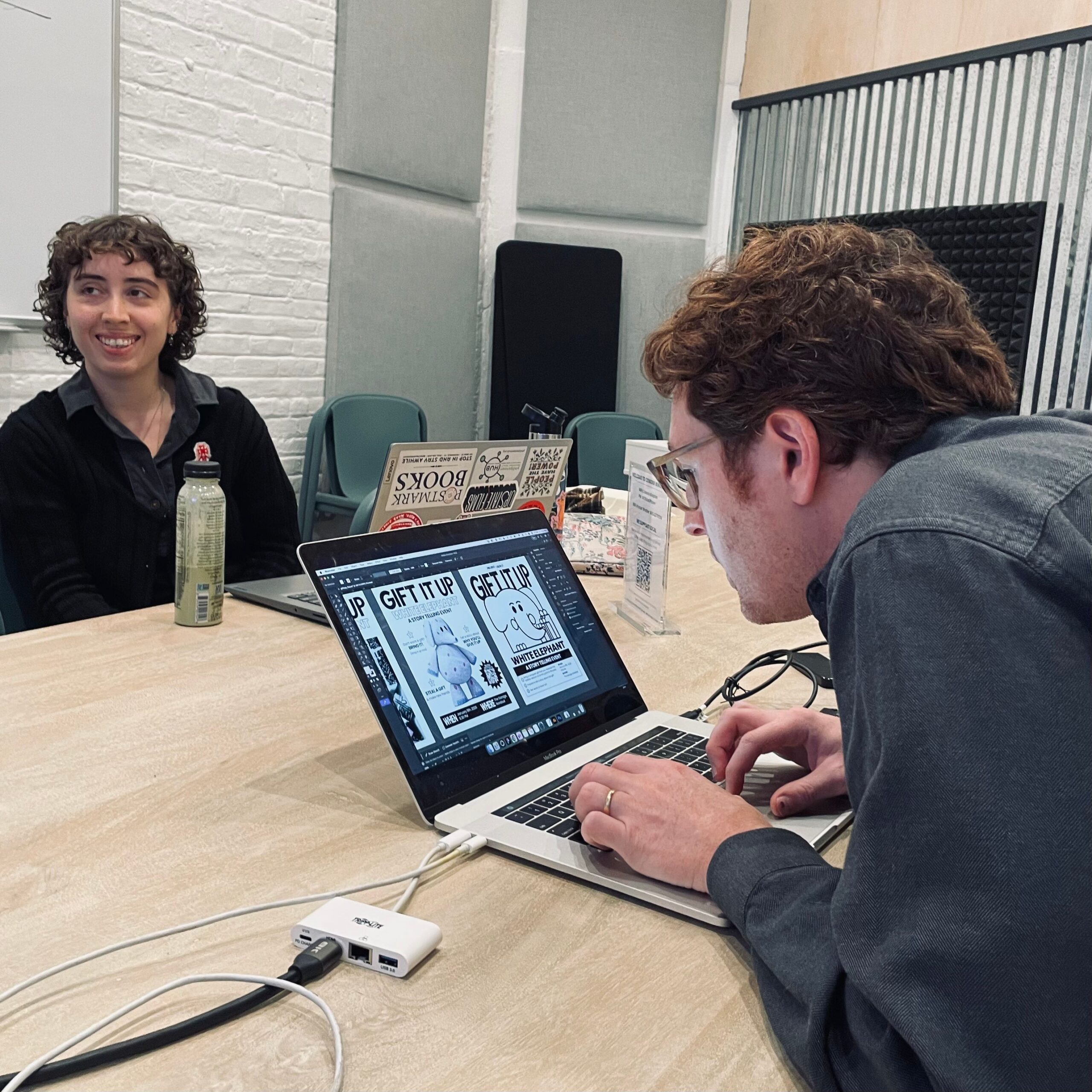
The PROJECT:OBJECT KINGSTON team includes: Bridget Badore | Karlie Flood | Josh Glenn | Susan Roe | Tommy Sullivan. Robyn Hager is the newest addition. Also: Julian Richards, who was one of GIVE IT UP’s test subjects, this summer, is part of the GIFT IT UP crew.
During 4Q2025, I wrote the following solo HILOBROW series and posts.
- I wrote an introduction to the SKANK YOUR ENTHUSIASM series.
- For the SKANK YOUR ENTHUSIASM series, I contributed an installment on The Ethiopians’ “Train to Skaville”. Excerpt: “‘Skaville’ does feature choppy ska guitar chords, not to mention percussive toasting — shicka-shicka-shhh noises that transport the listener into that dreamy mindstate peculiar to train travel. But the record’s cooler vibe, more spacious tempo, its simple, strolling bass line, and its restrained horns produce a soulful ‘riddim,’ i.e., not a ska but a rocksteady sound design.”
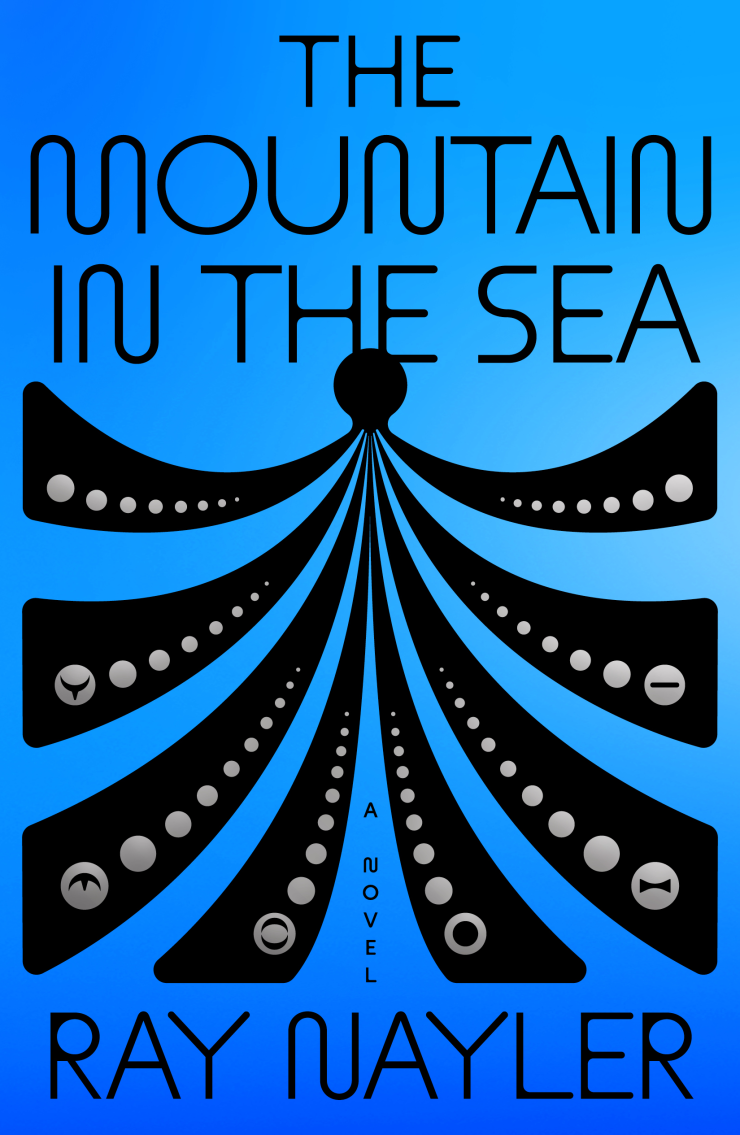
- For the SEMIOPUNK series, I wrote about Ray Nayler’s The Mountain in the Sea. Excerpt: “The octopuses are presented as a collective, embodied intelligence that communicates through a biologically integrated, non-human symbolic system. Their form of meaning-making is rooted in physical being rather than abstract thought, challenging our human-centric assumptions about what constitutes a ‘mind’.”
- For the SEMIOPUNK series, I wrote about Charles Stross’s Glasshouse. Excerpt: “Semioticians living through humankind’s hard-right turn, here in the 2020s, are well-placed to understand and bear witness to the sort of cognitive dictatorship on display in Glasshouse. Historical records are being deleted; collective memories are being altered. The resulting amnesia makes it impossible for people to know the true history of our social and cultural conflicts or the motives behind them, leaving us in a state of historical subjugation.”
- For the SEMIOPUNK series, I wrote about Gordon Dahlquist’s The Different Girl. Excerpt: “The intrusion of the ‘different girl’ on Veronika’s island is an epistemological catastrophe. It’s precisely this sort of catastrophe that semioticians attempt to inflict upon ourselves, for each project. And then we attempt to inflict it upon our clients. We attempt to un-know what we thought was natural, normal, eternal, inevitable.”

ALSO: I’ve continued to add installments in the solo series SCREENSHOTS, PHOTO DUMP, NOT TODAY, EBAY, and HERMENAUTICA.
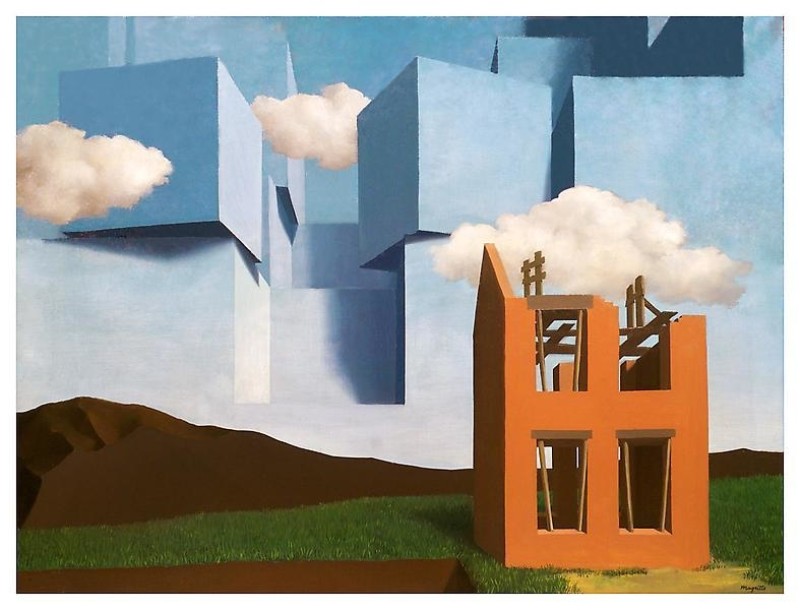
I’m editor of the MIT Press’s RADIUM AGE proto-sf reissue series.
For recent press about the series, see this post’s GOOD VIBRATIONS section.
Here at HILOBROW, I’ve continued to share my Radium Age-related research. For example, via the series RADIUM AGE POETRY, I’ve reissued overlooked proto-sf-adjacent poems from the years 1900–1935.
Here’s a sampling of the 4Q2025 RADIUM AGE POETRY lineup:
Kochia Tseng’s FIRE IN THE SKY | Carrie W. Clifford’s WARNING | Max Jacobs’ HELL IS GRADUATED | Angela Weld Grimké’s TENEBRIS | Hirato Renkichi’s HOT-BLAST | Inagaki Taruho’s THE MAN IN THE MOON | D.H. Lawrence’s HOLD BACK! | Edward Silvera’s INTROSPECTION | Mykola Bazhan’s AERO-MARCH.
To see the full RADIUM AGE POETRY lineup, organized thematically, visit this page.
RADIUM AGE SERIES UPDATES: 2022 | 2023 | 2024 | 2025 | 1Q2026. FULL SERIES INFO.
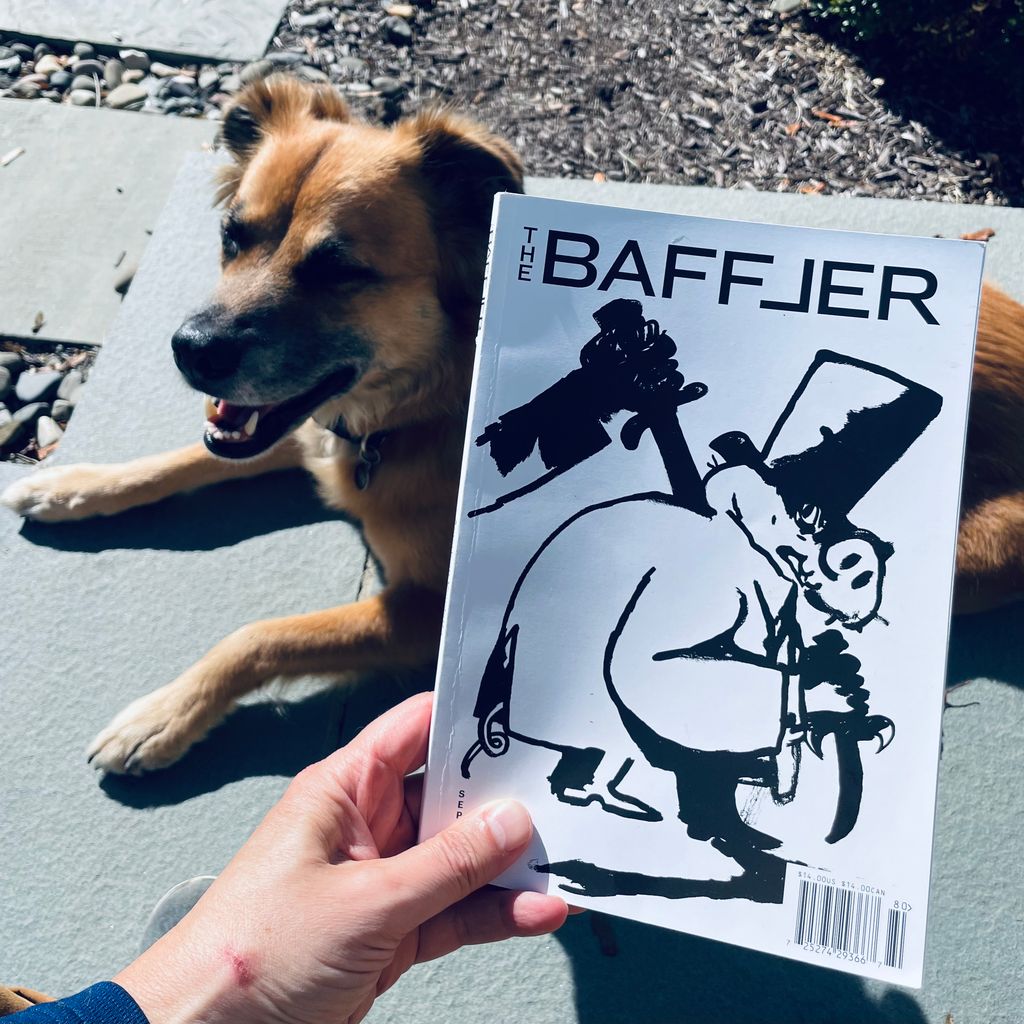
At SEMIOVOX, I contributed an installment to the MEDIA DIET series. Excerpt: “Philip K. Dick’s hastily written science fiction from c. 1964–1973 predicts our present moment here in the USA: environmental collapse, escapist virtual experiences, smartphone-enabled hookups, manipulative authority figures, capitalist moguls with godlike pretensions, neofascist regimes that portray themselves as champions of liberty, robots who show empathy and human beings who do not, paranoids who are right and reasonable people who are wrong, presidents and other world leaders who cannot be anything other than evil aliens… and in general, a bewildering sense that the distinction between reality and illusion, fact and fiction, has become blurred — perhaps forever.”
Getting the word out, during 4Q2025…
For a full update on recent Radium Age series publicity, please see the post RADIUM AGE 3Q2025. Here are a few examples.
- In October, Nat Harrington reviewed Jill Roese’s translation of Marietta S. Shaginyan’s Yankees in Petrograd for the Ancillary Review of Books. Excerpt:
Yankees in Petrograd shows us both the promises and the failures of the Soviet project: the dream of a liberated future and the enduring force of racism, sexism, and other systems of oppression even under socialism. If the novel fails to live up to its promise, it is, nonetheless, an engaging and, I think, productive failure, part of an attempt to create a new kind of popular culture, suitable to what its creators saw as a new historical era fighting to take shape—a popular culture oriented not only towards mass entertainment but also towards collective liberation.
- In October, writing in Leonardo Reviews, a peer-reviewed publication of the international arts, sciences, and technology society Leonardo, the Belgian poet and cultural studies professor Jan Baetens reviewed Before Superman. Excerpt:
The originality of the [Radium Age] series is the result of a smart editorial policy, open to a wide range of styles, themes and voices, yet also focusing, as in the case of the present volume, on the anthological presentation of key characters, here that of the “superhuman.”
About Before Superman:
A smart selection of various types of authors (well-know, lesser known, sometimes almost forgotten, some also translated from the French or the German) as well as a cunning mix of independent short stories and fragments of larger novels.
And:
Before Superman is a joyful as well as thought-provoking volume of an excellent series, insightfully presented by Joshua Glenn. The book is of great interest for all SF lovers but also to all literary and cultural historians, who can only feel encouraged to rethink some of their labels and periodization tools.
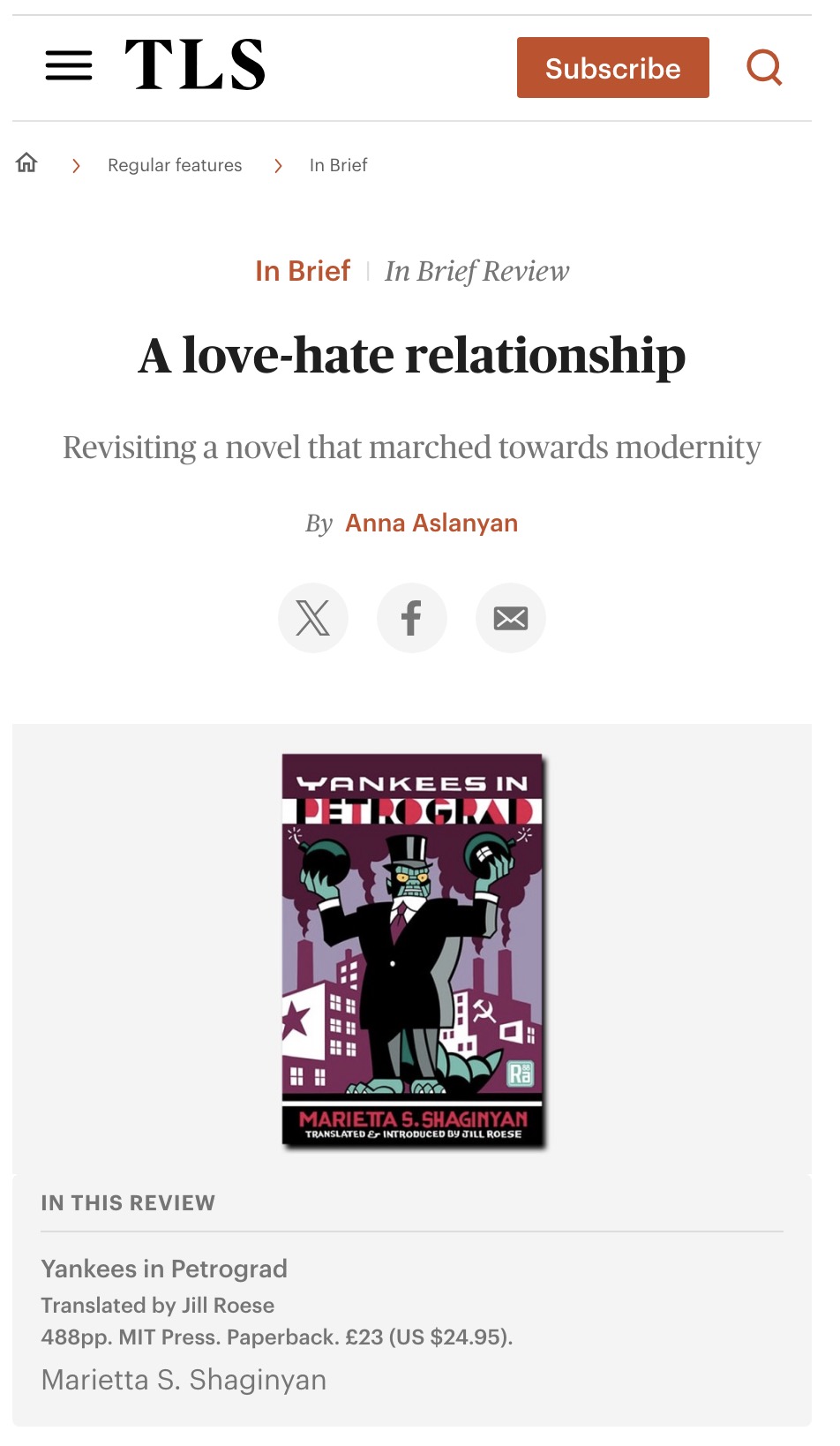
- Anna Aslanyan reviewed Jill Roese’s translation of Marietta S. Shaginyan’s Yankees in Petrograd for the November 14th edition of the Times Literary Supplement. Excerpt:
What to put in a novel to make it a page-turner that would last a century? Here are some possible ingredients: a fast-rising body count; flashy sci-fi devices; “a hidden bomb of infernal contents” planted inside a clock (part of a fascist plot to destroy communism); narrative darting around from America to Russia and back again, propelled by technology; “all manner of cheerful objects… streaming into the world”. Militant masses marching to modernity.
Also:
The fight between cartoonish commies and vaudeville villains makes for good satire. Laughing, you try to imagine the reactions of the novel’s first readers. Theirs must have been the laughter of the victors. The Soviet experiment may eventually have failed, yet it started on a wave of joyous enthusiasm.
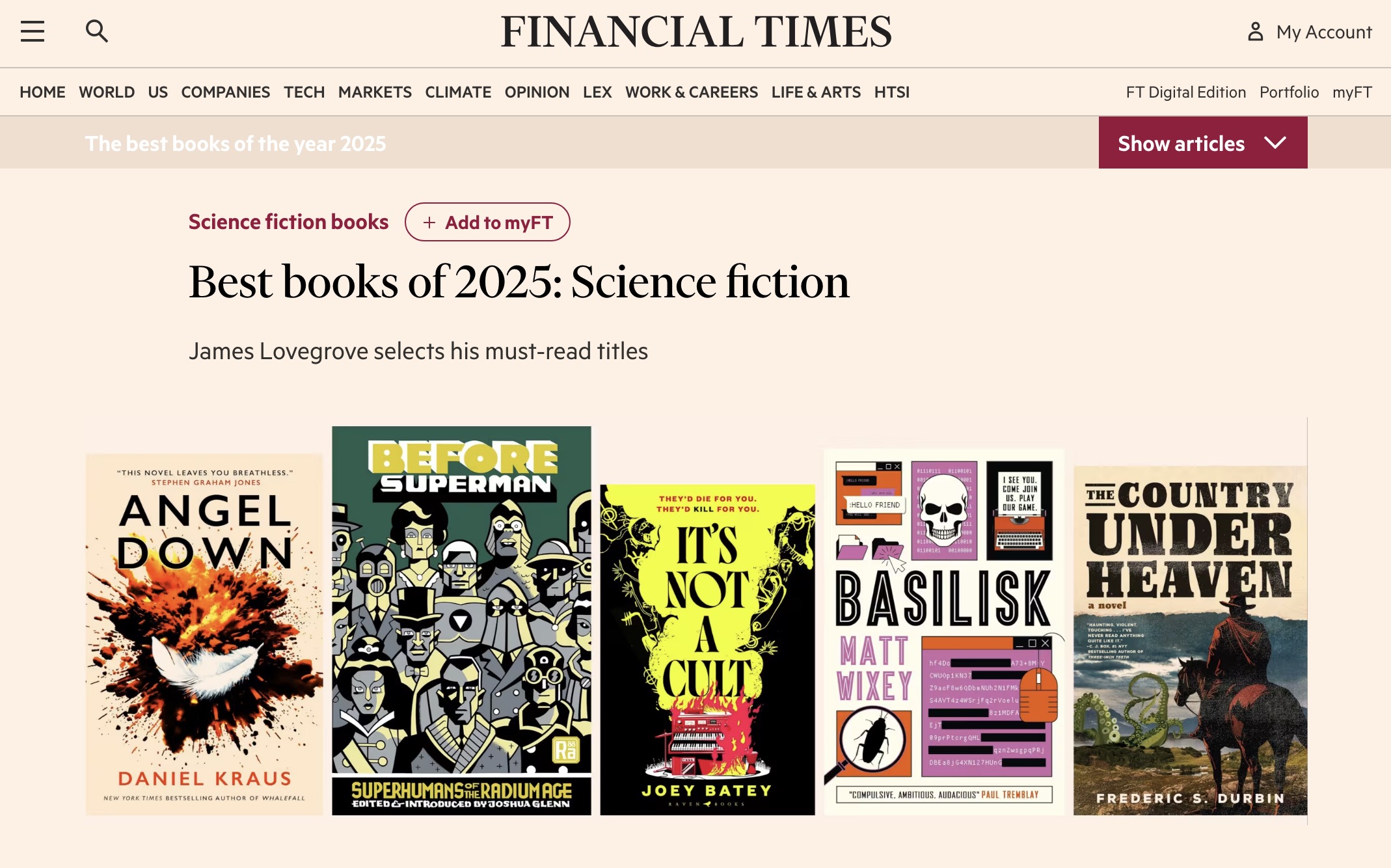
- In November, writing for the Financial Times, British sf author James Lovegrove named Before Superman: Superhumans of the Radium Age one of the Five Best SF Books of 2025. Excerpt:
Part of the Radium Age series — reissues and anthologies of early-20th-century science fiction in nattily designed paperback editions — Before Superman assembles stories about superhumans from an era before they achieved comic-book ubiquity. Authors represented include Arthur Conan Doyle, Edgar Rice Burroughs, Karel Čapek, even George Bernard Shaw. Sheer retro bliss, no spandex.
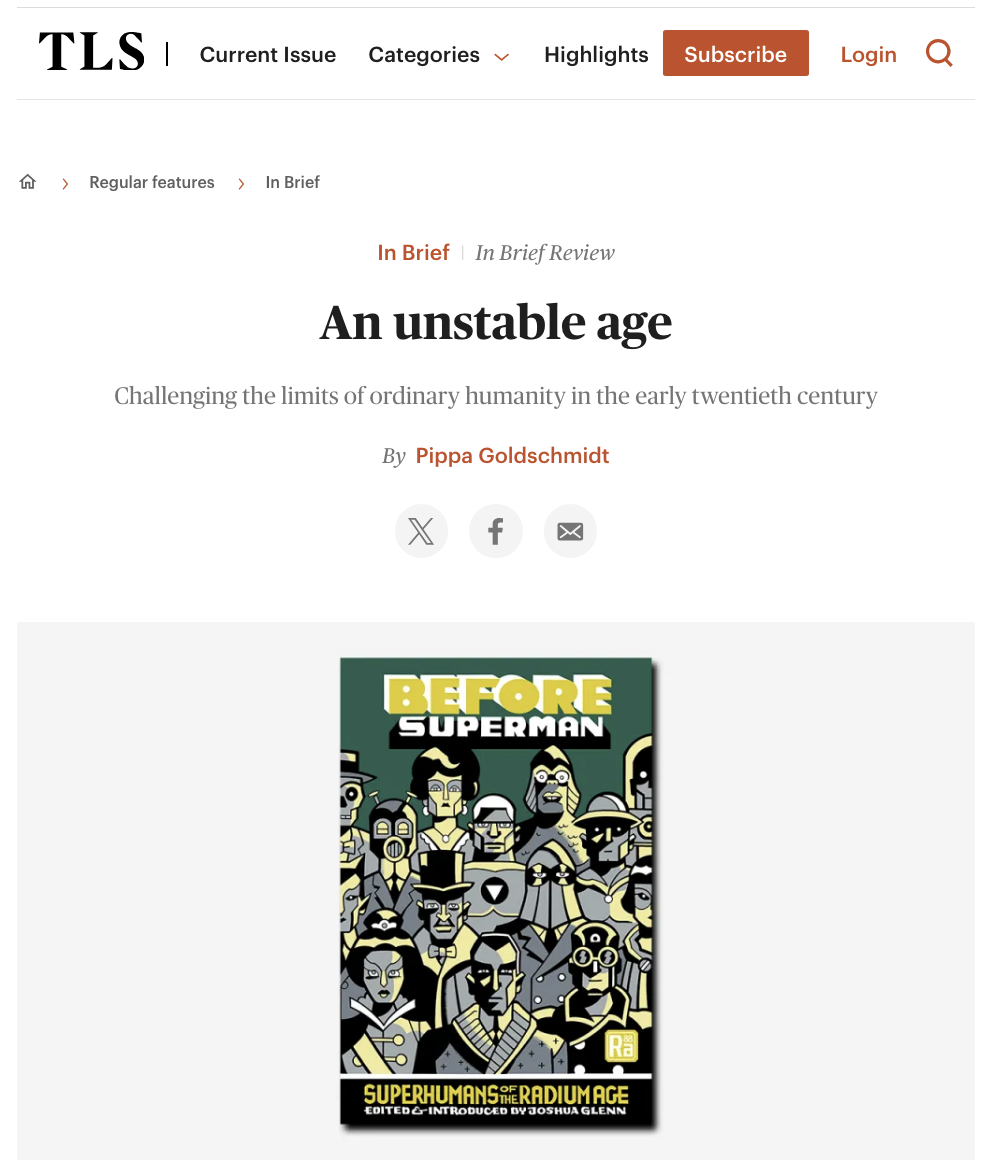
- In December, Before Superman: Superhumans of the Radium Age was reviewed in the Times Literary Supplement by Schrödinger’s Wife author Pippa Goldschmidt. Excerpt: “As in so much speculative fiction set in imagined futures, these superhumans shed a light on the age in which they were conceived. Rather than strengths, they reveal its anxieties and preoccupations.”

Every once in a while, the topic of generational periodization surfaces in US culture… and sometimes when that happens, my own generational periodization schema will also briefly surface. Re-periodizing the generations — in an absurdist, yet extremely persuasive fashion — is something that I started playing around with in the first several issues of my zine Hermenaut in 1992. (The project got its start as a Sociology thesis proposal at Boston University; but then I “put down [my] cigarette and dropped out of BU.”) In 2008, when I was blogging, as BRAINIAC, for the Boston Globe IDEAS section, I revived and expanded the project; and in 2010 I cross-posted the BRAINIAC series to HILOBROW.
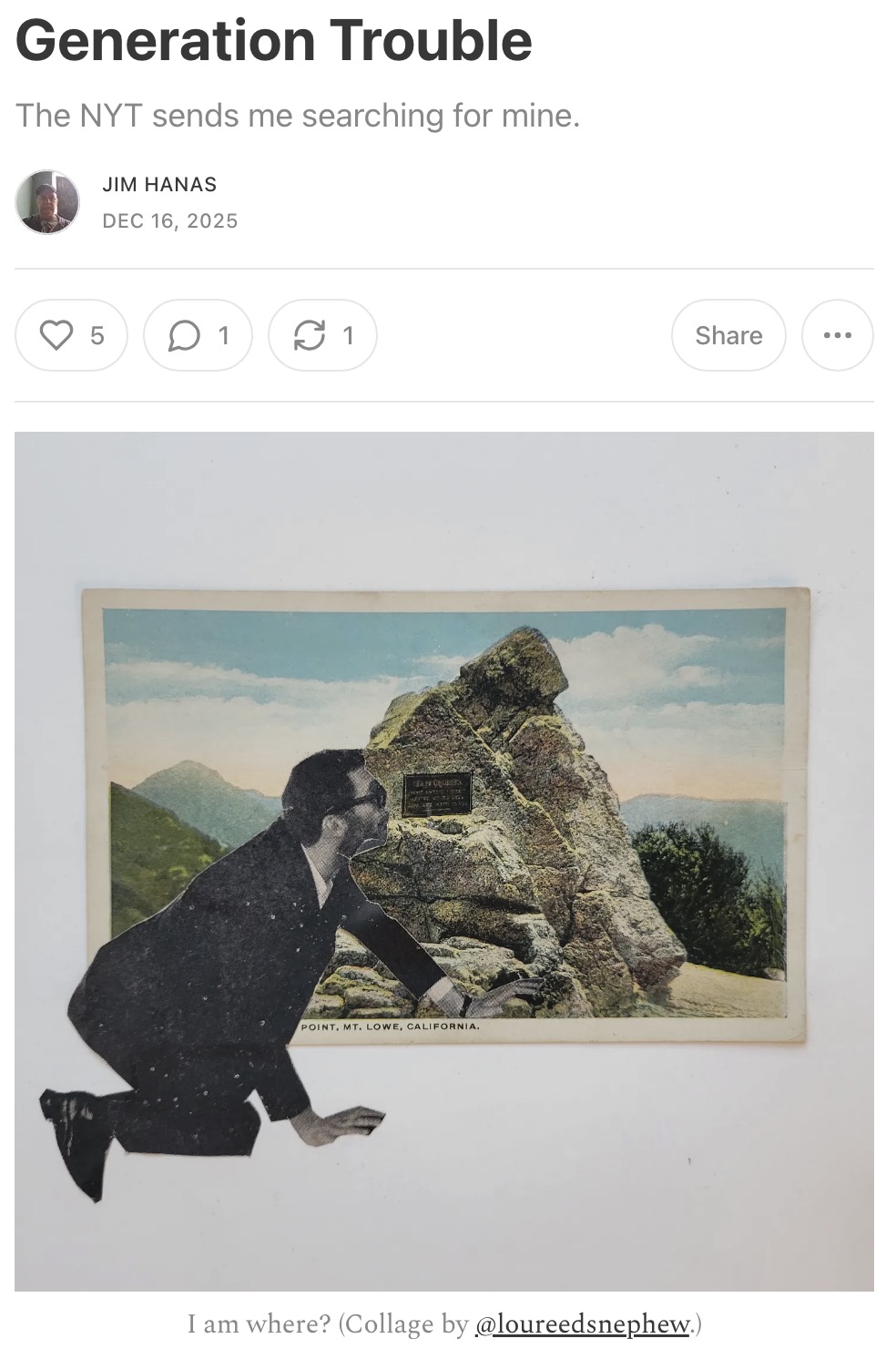
That was 15 years ago! I haven’t thought much about the project since then, but I’m always pleased to discover that others find my schema amusing and/or instructive. The latest evidence of this sort of thing? Writing for his excellent LOU REED’S NEPHEW substack, author Jim Hanas (who contributed to the SIGNIFICANT OBJECTS project) was agitated enough by an overly vague New York Times T Magazine feature package on “Generation X” to make a few comments. Including:
The thing about generational “theory” — the validity of which, as social science, lies somewhere between scientific Marxism and astrology — is that it is both trivially true and absurd. True because obviously one’s position in history relative to one’s biological age has a large impact on one’s attitudes and consciousness. Absurd because the epochal dividing lines are entirely up for grabs. In other words, an infinite number of periodizations are possible…
Strongly agree!
Allso:
I’ve been aware of [Joshua] Glenn’s periodization since the ’90s, but I was surprised to find, while writing this, how clearly it anticipated the cusp secessions of Generation Jones and the Xennials and satisfies my requirement of having teens of the ’80s and ’90s treated separately.
This makes me feel triumphantly vindicated. Thank you, Jim!
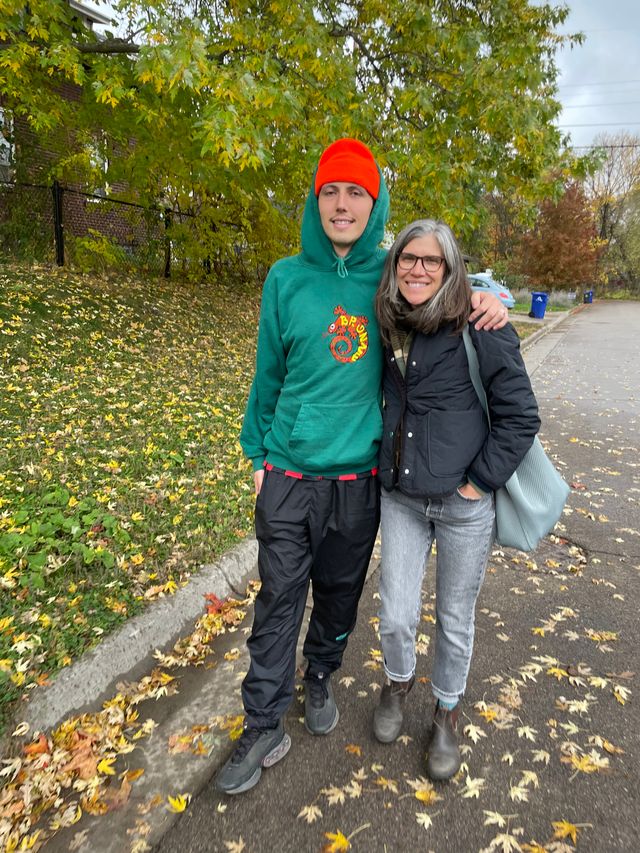
In October, we visited Sam and Kayla in St. Paul, MN.
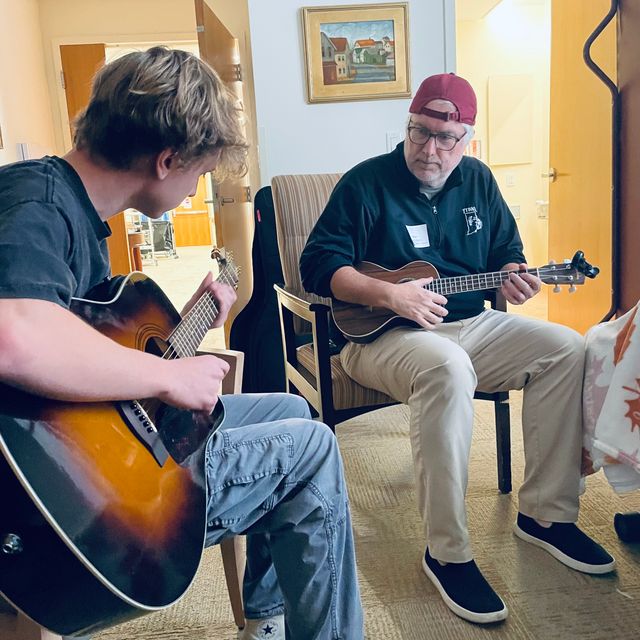
Mom passed away the day before Thanksgiving. Here’s my brother Patrick and his son Emmett performing a concert at her bedside. (I sang along, and on “Bye Bye Love” strummed the ukulele.) We’re sad but relieved that — two years after a debilitating stroke — she is at peace. It was heartening to spend Thanksgiving in Boston with family and friends.
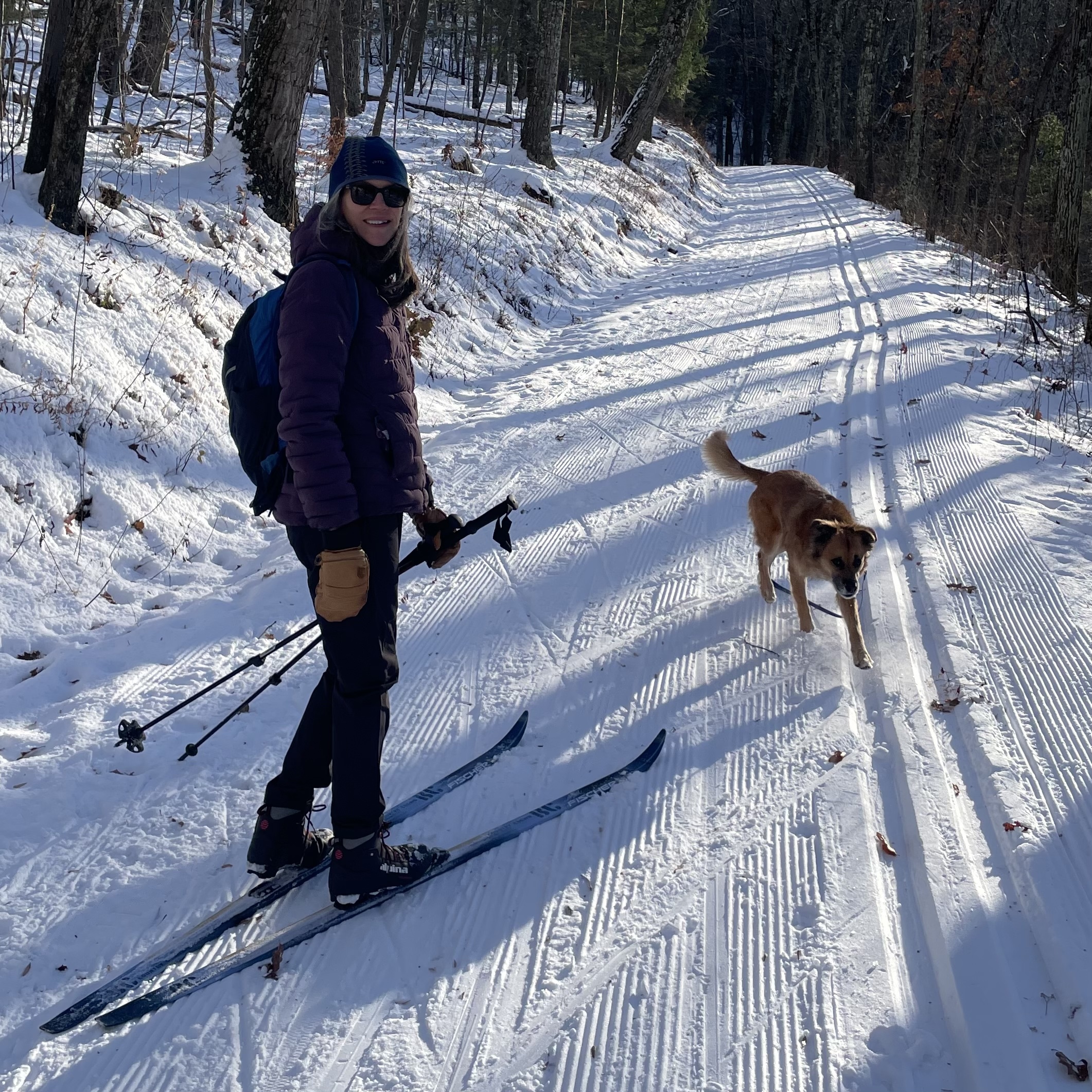
In December, we got a decent amount of snow and cold weather in the Mid-Hudson Valley. Here we are X-country skiing at Mohonk Preserve Spring Farm. It’s been a festive and highly social month here in our new town… we’re grateful to all the folks who’ve invited us in.
On to 1Q2026…
MORE HYPOCRISY: 2010 | 2011 | 2012 | 2013 | 2014 | 2015 | 2016 | 2017 | 2018 | 2019 | 2020 | 2021 | 2022 | 2023 | 2024 | 2025 | 1Q2026.