
RADIUM AGE ART (1932)
By:
November 25, 2024
A series of notes regarding proto sf-adjacent artwork created during the sf genre’s emergent Radium Age (1900–1935). Very much a work-in-progress. Curation and categorization by Josh Glenn, whose notes are rough-and-ready — and in some cases, no doubt, improperly attributed. Also see these series: RADIUM AGE TIMELINE and RADIUM AGE POETRY.
RADIUM AGE ART: 1900 | 1901 | 1902 | 1903 | 1904 | 1905 | 1906 | 1907 | 1908 | 1909 | 1910 | 1911 | 1912 | 1913 | 1914 | 1915 | 1916 | 1917 | 1918 | 1919 | 1920 | 1921 | 1922 | 1923 | 1924 | 1925 | 1926 | 1927 | 1928 | 1929 | 1930 | 1931 | 1932 | 1933 | 1934 | 1935 | THEMATIC INDEX.
First Abstraction-Création Cahier, Abstraction-création: Art non-figuratif, is produced.
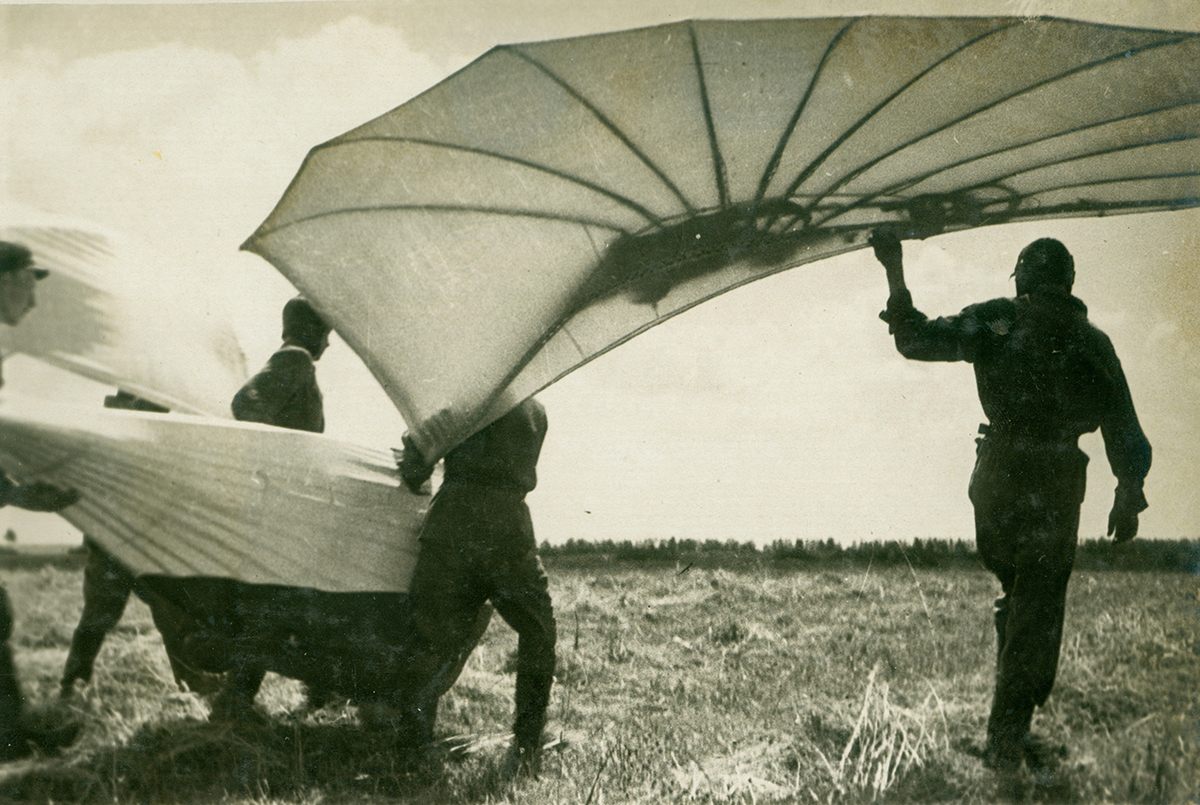
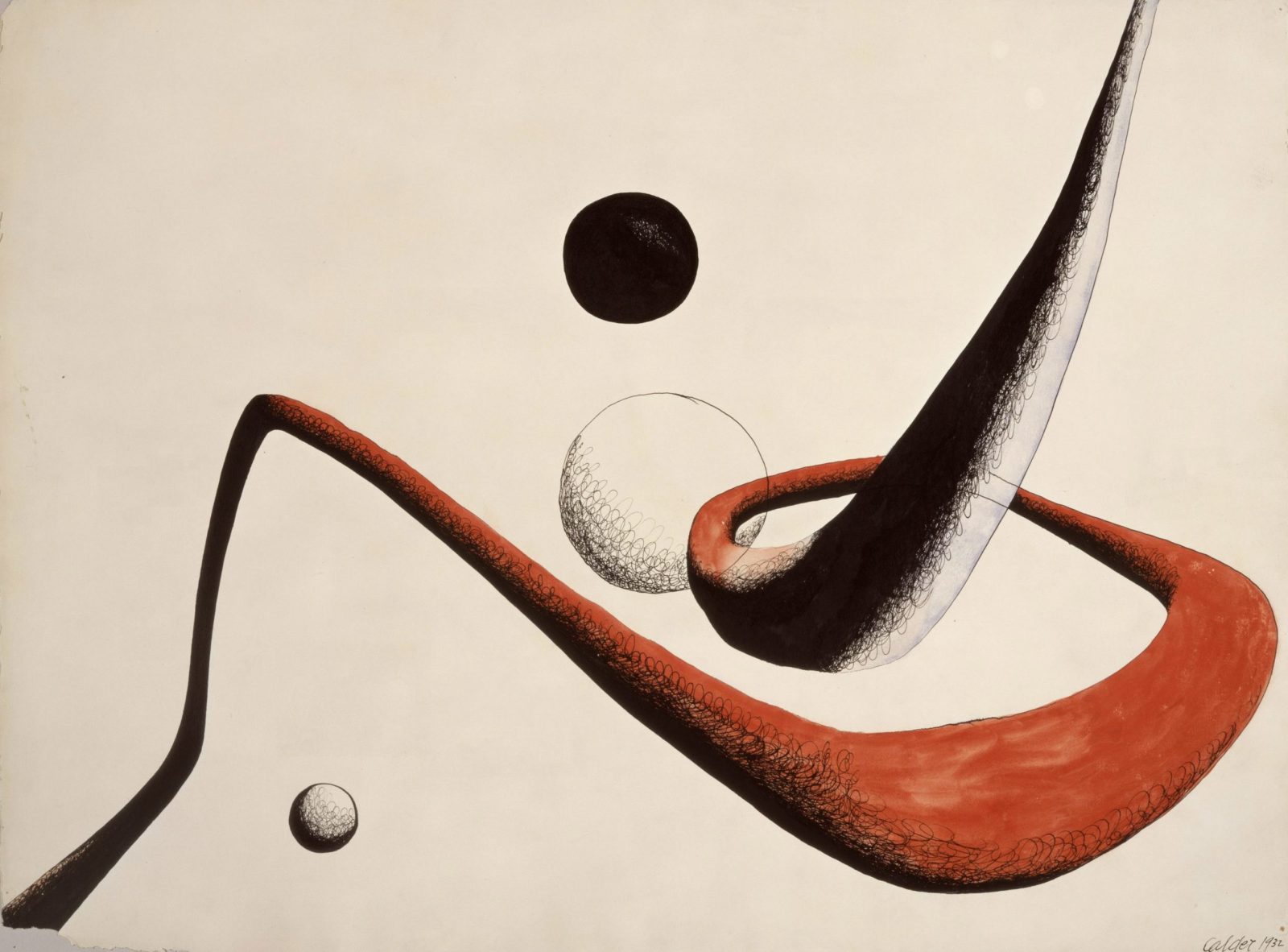
Calder exhibits “stabiles” and “mobiles.”
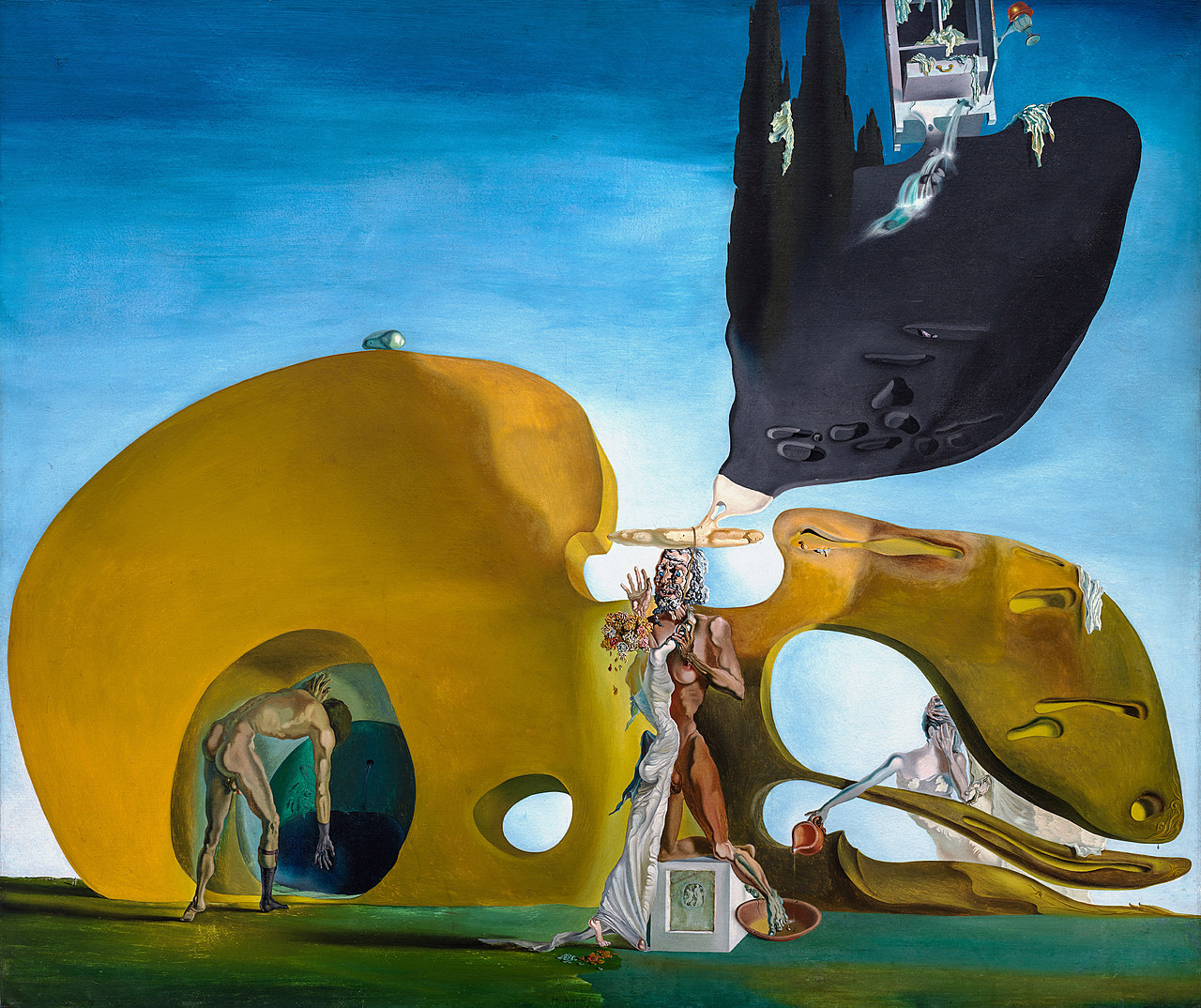
In 1932–33 Dalí wrote “The Tragic Myth of The Angelus of Millet,” in which he quotes the quantum physicist Erwin Schrödinger in order to challenge the borders between art and science.
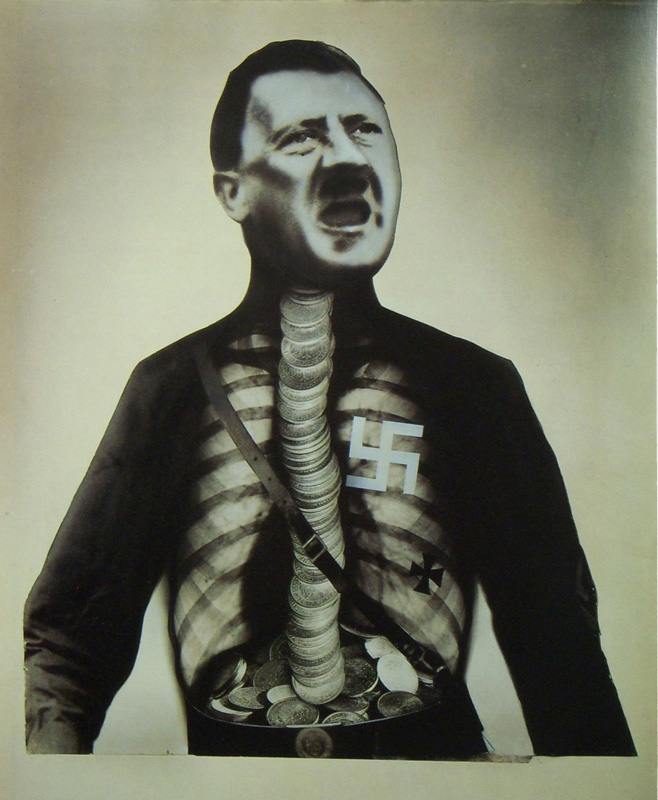
“Adolf The Superman” is a famous political poster depicting Adolf Hitler with his chest and belly full of gold from his financial backers. Heartfield, a German artist, combined a photo of Hitler with an x-ray to create this photomontage. (While living in Berlin during WWI, Helmut Herzfeld began styling himself “John Heartfield” to protest against the anti-British fervor sweeping Germany.) He was active in the German Dada movement, and a member of the German Communist Party. His political montages (he’d create nearly 250 anti-Nazi photomontages) regularly appeared on the cover of Arbeiter-Illustrierte-Zeitung. Heartfield lived in Berlin until April 1933 when the Nazi Party took power. He fled Germany by walking over the Sudeten Mountains to Czechoslovakia; he was number five on the Gestapo’s most-wanted list.
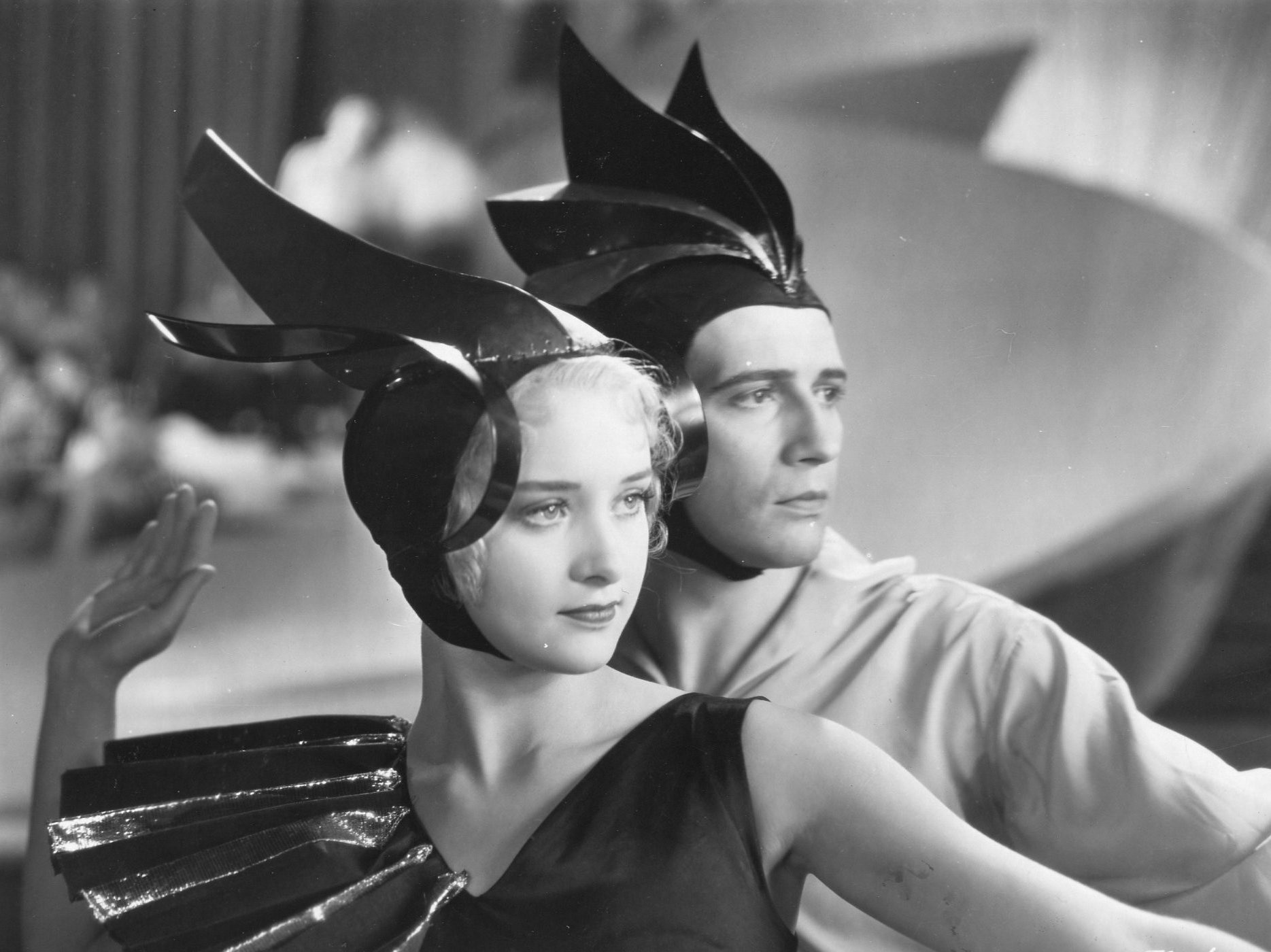
Anderson discovers positron (the first evidence of antimatter); Chadwick discovers the neutron; Heisenberg wins Nobel in Physics for the creation of the matrix theory of quantum mechanics.
Hitler refuses Hindenburg’s offer to become Vice Chancellor; Franklin D. Roosevelt becomes US president.
Earhart is the first woman to fly solo across the Atlantic.
Also see: RADIUM AGE: 1932.
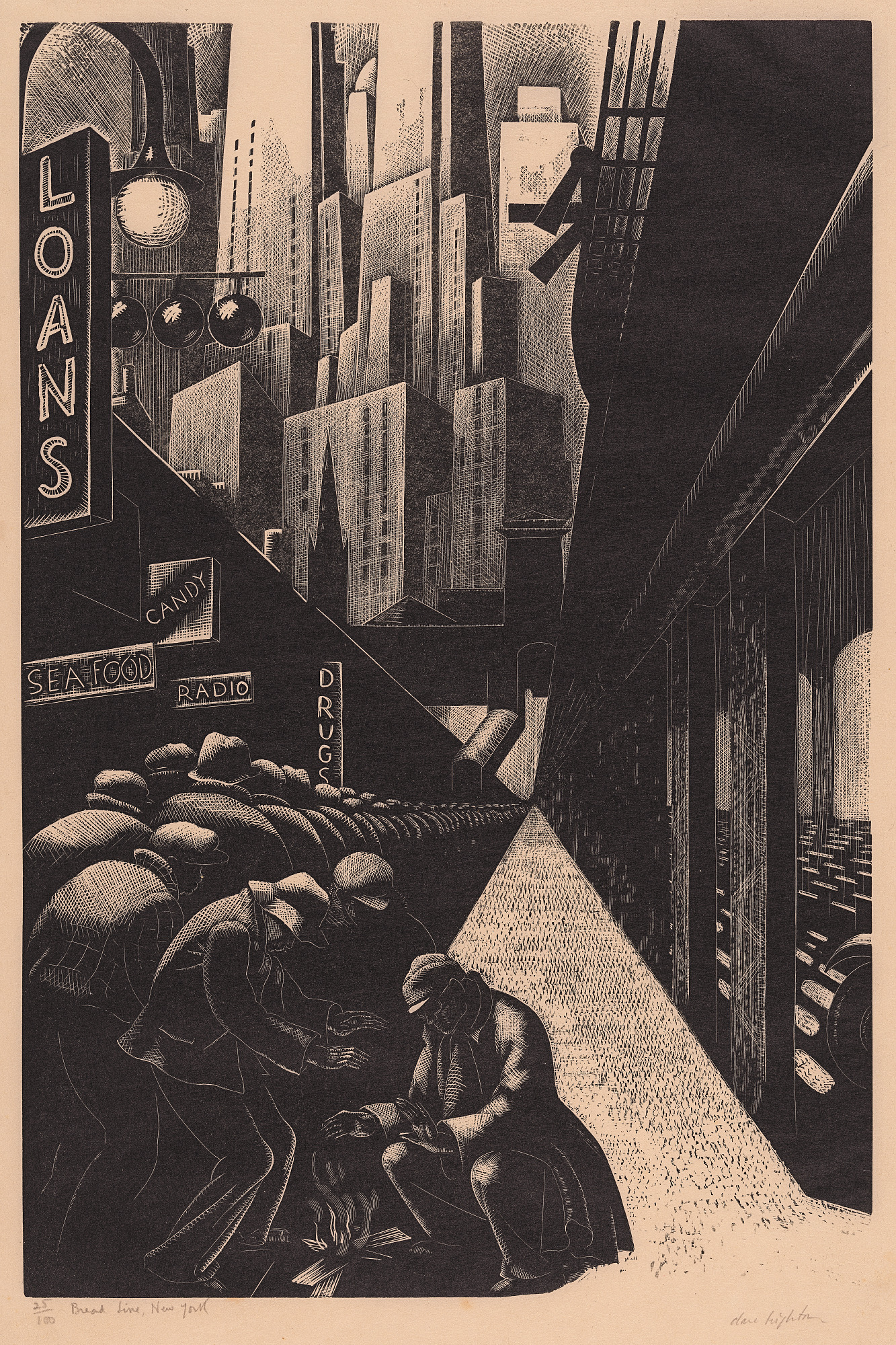
From John P. Murphy’s New Deal Art (2025):
A huddled group in the foreground warm their hands over a makeshift fire. Above them, glowing advertisements and stair-stepped skyscrapers rise like an inaccessible dream.
Puts one in mind of Lawrence G. Paull’s production design for Blade Runner.

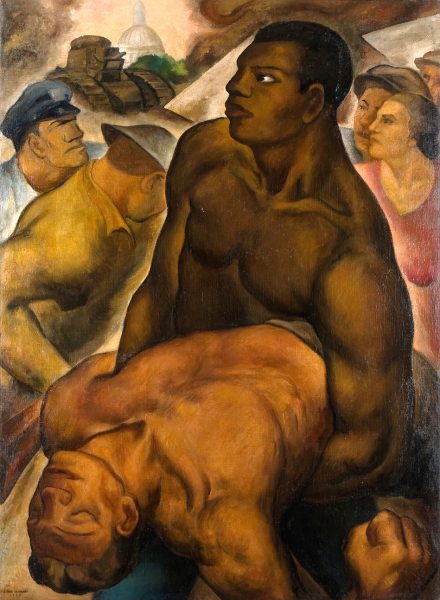
From John P. Murphy’s New Deal Art (2025):
In the summer of 1932, a twenty-thousand-strong “Bonus Army” of unemployed veterans of the First World War marched on the capital to demand advances on their war bonuses, which were not due to be paid out until 1945. The DC police and US Army routed the veterans from their encampments on the floodplains of the Anacostia River. In the ensuing melee, several unarmed demonstrators were killed and many more injured. Eitaro Ishigaki (1893–1958) painted a symbolic version of the event featuring a defiant Black marcher, stripped to the waist, cradling a fallen comrade who raises his fist in a final gesture of solidarity. In the distance rises the dome of the US Capitol, a beacon of democratic promise obscured by an armored tank and plumes of tear gas.
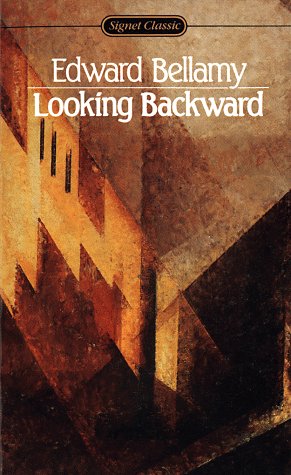
This edition of the sf novel Looking Backward is illustrated, I believe, with a detail from Lyonel Feinenger’s 1932 painting “Treptow Street.”
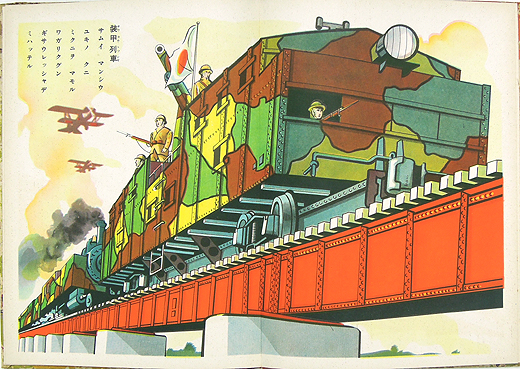
Kodomonokuni was a Japanese kids’ magazine published between 1922–1944. Featuring full-page illustrations, the magazine helped elevate the genre of illustration, which was previously considered secondary to text. The magazine also helped many illustrators becomes household names and one of those was Koyata Yasui.
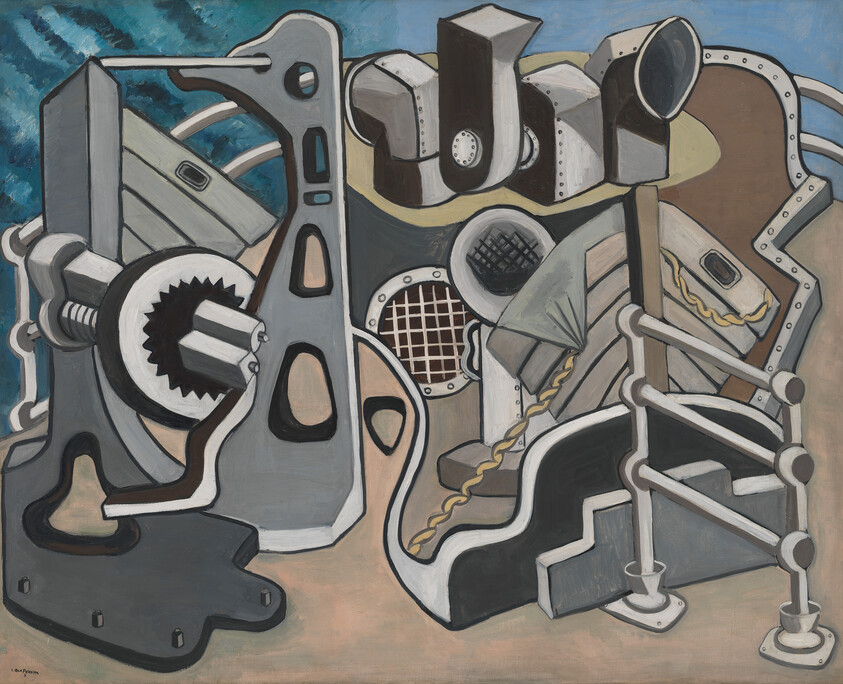
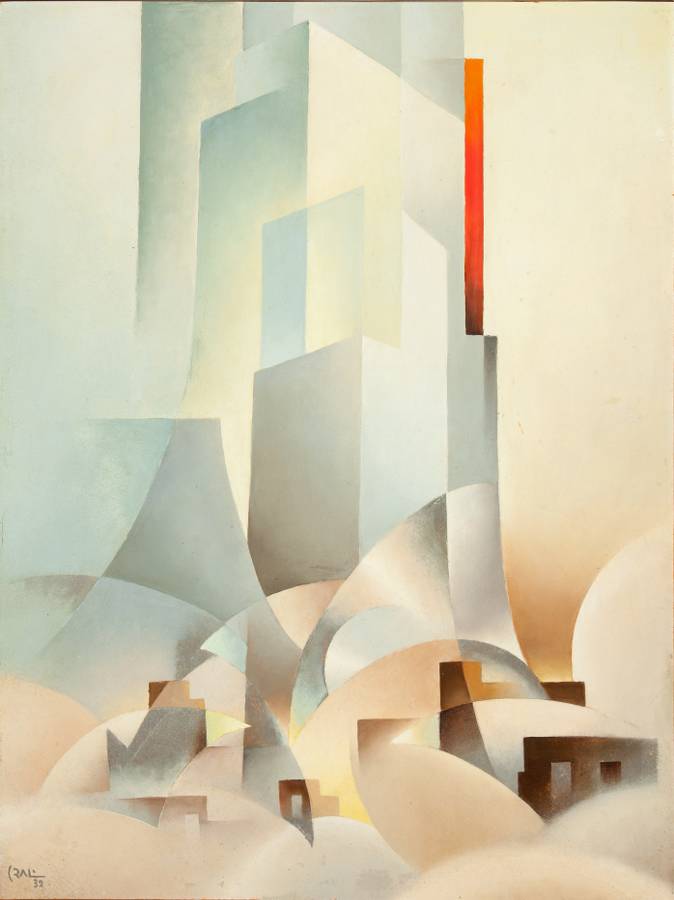
In John P. Murphy’s New Deal Art (2025), in a passage on Pereira’s “machine composition” paintings from a few years after this, we read:
For Pereira, the modern artist should reckon with the everyday dominance of machines, from automobiles and assembly lines to the radio, movies, and appliances. The artist could orient technology to socially positive ends […]. But her view of technology is ambivalent, oscillating between the machine’s utopian potential and its dehumanizing power.
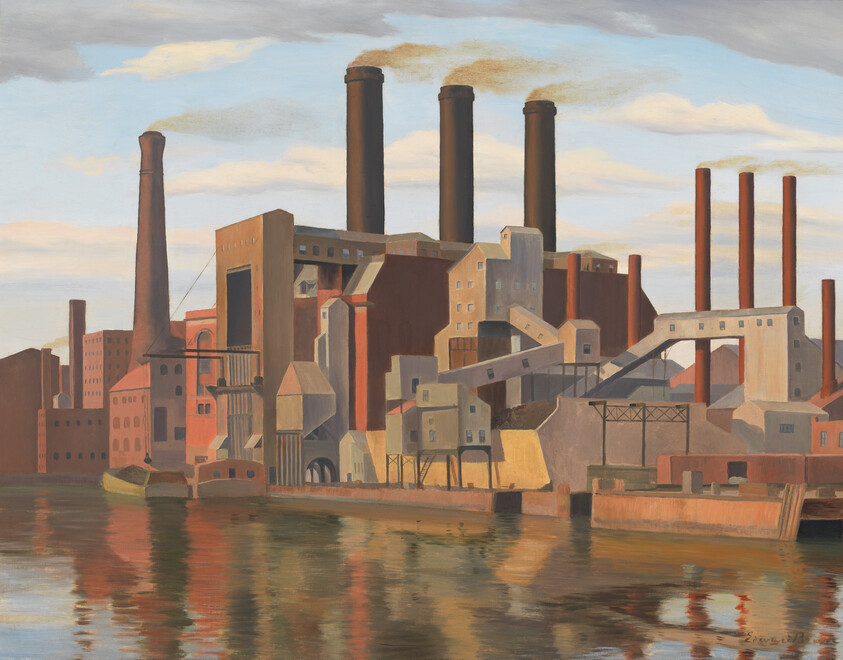
Edward Bruce (1879 – 1943) was the administrator of the New Deal art projects of the United States Department of the Treasury: the Public Works of Art Project (1933–1934), the Section of Painting and Sculpture (1934–1943), and the Treasury Relief Art Project (1935–1938).
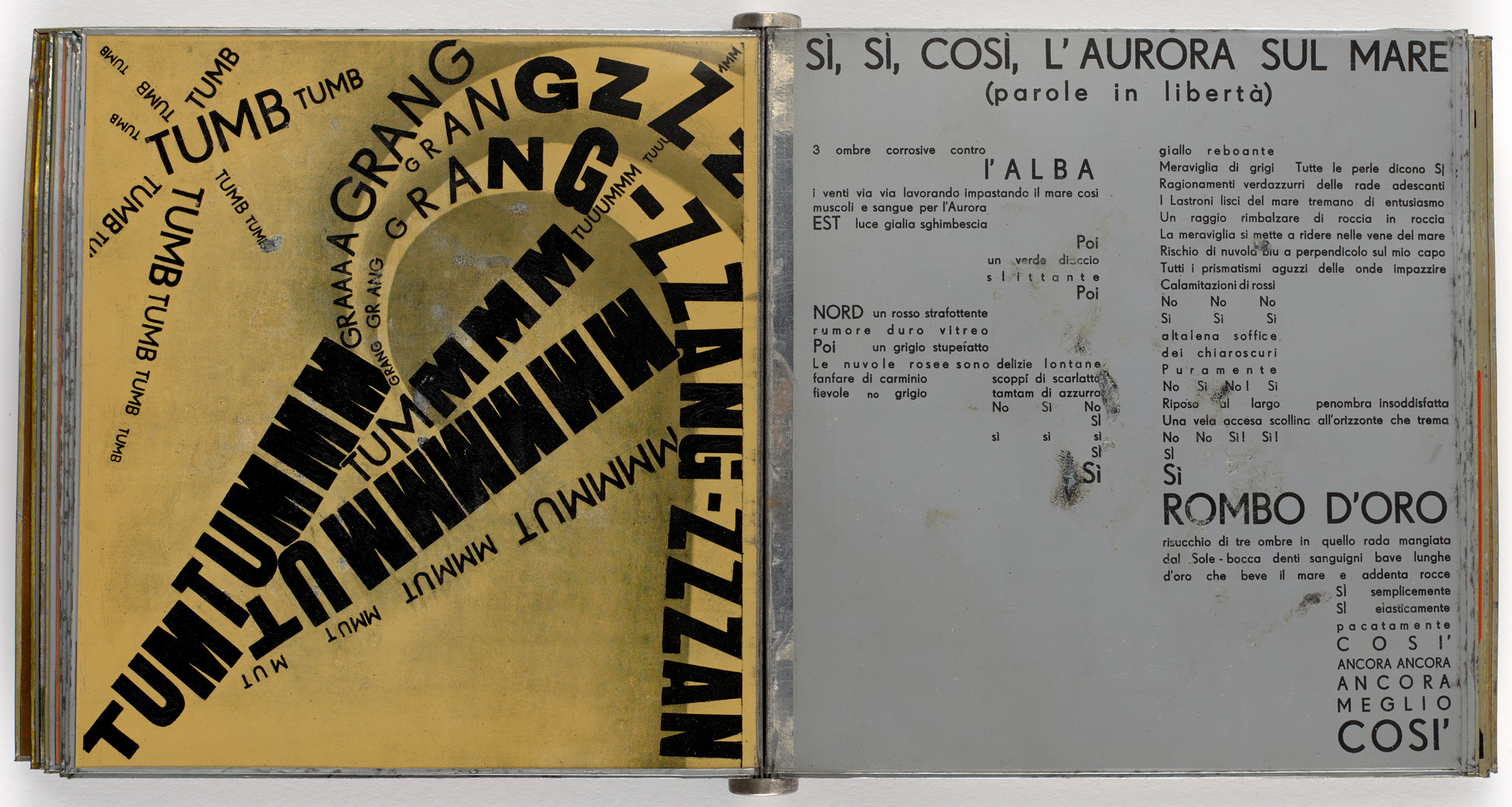
Writings and poems by the Futurist Marinetti, layouts designed by D’Albisola. The book is made of tin, with the texts and designs printed on the metal page via lithography and a cylindrical mechanism with ball bearings used foe the binding. “With its industrial construction, the book exemplifies the Futurists’ exaltation of the machine as a symbol of the speed and dynamism of the modern age.” — MoMA
MORE RADIUM AGE SCI FI ON HILOBROW: RADIUM AGE SERIES from THE MIT PRESS: In-depth info on each book in the series; a sneak peek at what’s coming in the months ahead; the secret identity of the series’ advisory panel; and more. | RADIUM AGE: TIMELINE: Notes on proto-sf publications and related events from 1900–1935. | RADIUM AGE POETRY: Proto-sf and science-related poetry from 1900–1935. | RADIUM AGE ART: Proto-sf and science-related fine art from 1900–1935. | RADIUM AGE 100: A list (now somewhat outdated) of Josh’s 100 favorite proto-sf novels from the genre’s emergent Radium Age | SISTERS OF THE RADIUM AGE: A resource compiled by Lisa Yaszek.