
PATSY YOUR ENTHUSIASM (intro)
By:
July 1, 2026
Introduction to a series of enthusiastic posts, contributed by 25 HILOBROW friends and regulars, analyzing and celebrating our favorite… Country Music of the Fifties (1954–1963)! Series edited by Josh Glenn. Qobuz playlist here.
Pioneered by Ernest Tubb, then revolutionized by Hank Williams, who almost single-handedly transformed it from regional hillbilly music into a major commercial and cultural force, beginning in the early ’40s country’s “honky tonk” style shifted the genre’s focus from traditional and family-oriented themes to raw (if sometimes darkly comic) yarns about hardscrabble ways of life, heartbreak, and hedonism. Then on January 1st 1953 Williams, country music’s first true superstar, the so-called “Hillbilly Shakespeare,” died in his Cadillac while en route to a show.
Beginning right around this time, country music changed. Though honky tonk certainly didn’t die along with Williams (cf. Lefty Frizzell, Ray Price, Buck Owens, Kitty Wells, Faron Young, George Jones, Loretta Lynn, et al., not to mention Tubb himself), within a few years of Williams’ demise many Nashville producers, responding to competition from rock’n’roll (Elvis Presley walked into Sun Records in July 1954), would begin to eschew fiddles, nasal twangs and a driving, dancehall-style rhythm section in favor of a “smoother,” more lush and refined pop-adjacent sound. Also during this 1954–63 time frame, female country artists (in addition to Wells and Lynn, one thinks of Wanda Jackson, Jean Shepard, Brenda Lee, Skeeter Davis) were breaking barriers and expanding the genre’s lyrical themes; country’s first-generation “outlaws” (Johnny Cash, Waylon Jennings, Willie Nelson, Marty Robbins, Merle Haggard) got their start now too. Also: The pedal steel guitar was invented in ’53; its crying, glissando sound would become a staple of the “country and western” era.
What did the music that rushed in to fill the void opened by Hank Williams’ untimely demise sound like? What was it about? I’ve asked twenty-five HILOBROW friends and contributors to help us hear twenty-five of their favorite country songs of the Fifties (1954–63, in HILOBROW’s well-known periodization) through their ears. What do they find so appealing — mesmerizing, even — about these particular country records?
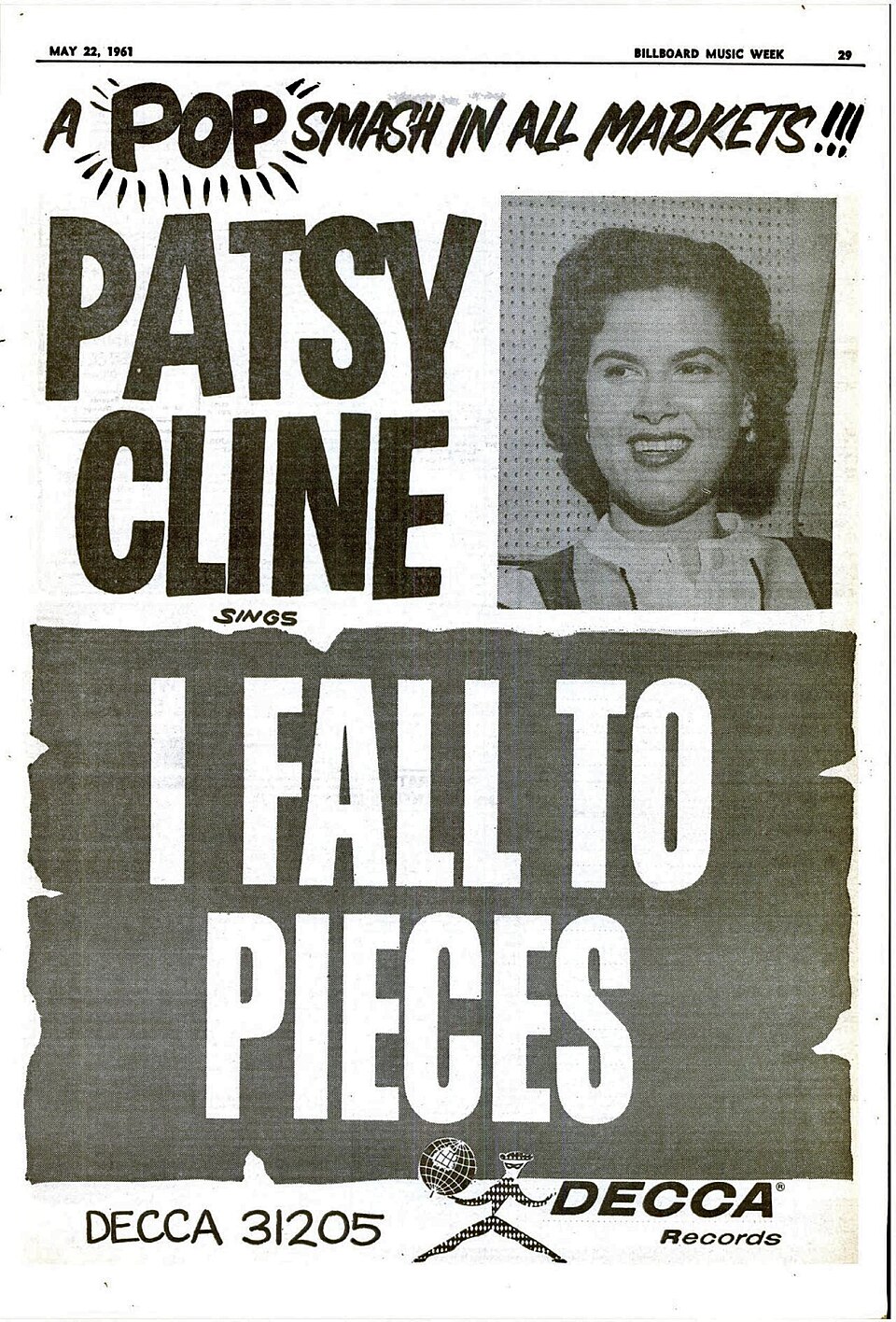
The title of HILOBROW’s latest enthusiasm series offers homage to a pioneer of the “Nashville Sound,” and the first female solo artist inducted into the Country Music Hall of Fame. Those few of you who remain skeptical of HILOBROW’s oddly specific periodization scheme, take note: Patsy Cline signed her first recording contract in ’54, only to die in an airplane crash at the pinnacle of her career — in 1963. During that time, the so-called Queen of Country Music demonstrated that female country artists could achieve massive commercial success (“Crazy,” “She’s Got You,” “Walkin’ After Midnight,” and “Sweet Dreams (Of You)” were crossover hits on the Billboard Country and pop charts), and she helped shift vocal styles toward raw emotional honesty rather than belting it out or displaying purely technical flash.
The series PATSY YOUR ENTHUSIASM is a prequel to 2023’s DOLLY YOUR ENTHUSIASM, which was a celebration of some of our favorite country songs of the Sixties (1964–73). Several of the contributors to that series, including stalwart HILOBROW contributors as well as such noted music scholars and critics as David Cantwell, Steacy Easton, Annie Zaleski, Elizabeth Nelson, Will Groff, Nadine Hubbs, and Stephen Thomas Erlewine, have returned. They’re joined this time around by additional music scholars and critics; some of these (e.g., Eric Weisbard and Will Hermes) have written for HILOBROW before; others (e.g., Mark Richardson, Charles Hughes, Jonny Auping) are first-timers.
I couldn’t be more thrilled with the PATSY lineup!
Speaking of which, here it is:
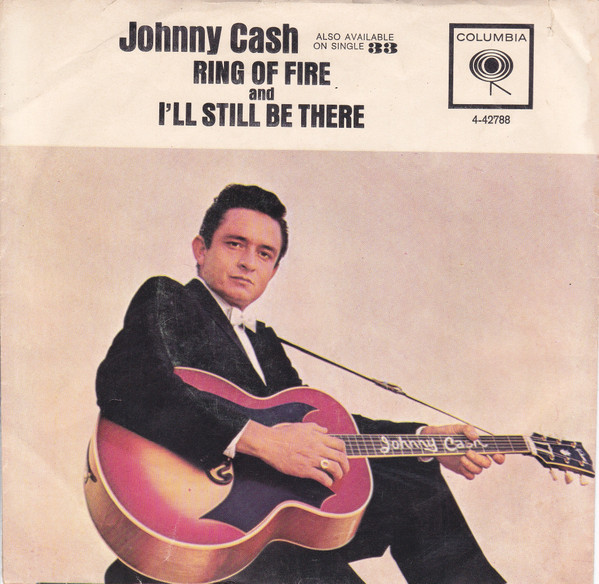
Nadine Hubbs on Marty Robbins’ EL PASO | Elizabeth Nelson on Dave Dudley’s SIX DAYS ON THE ROAD | Lynn Peril on Jean Chapel’s WELCOME TO THE CLUB | David Cantwell on Porter Wagoner’s MY BONFIRE | Will Hermes on Johnny Cash’s RING OF FIRE
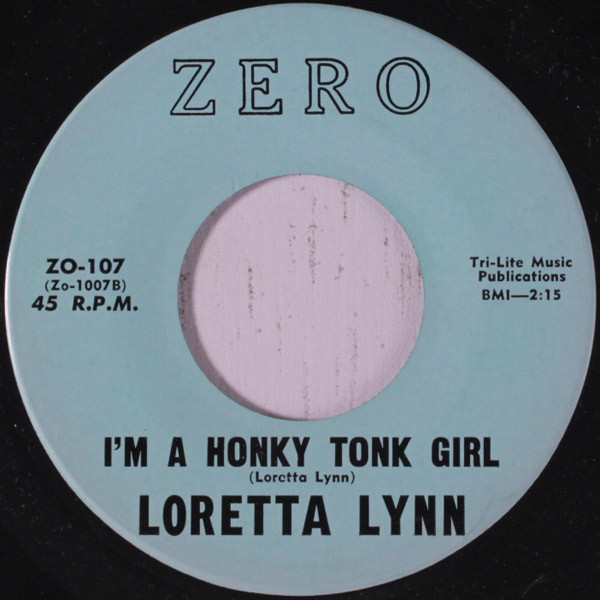
Mimi Lipson on Loretta Lynn’s I’M A HONKY TONK GIRL | Charles Hughes on Roger Miller’s YOU DON’T WANT MY LOVE | Eric Weisbard on Lefty Frizzell’s THE LONG BLACK VEIL | Steacy Easton on Jean Shepard’s A SATISFIED MIND | Josh Glenn on Johnny Cash’s THE REBEL — JOHNNY YUMA
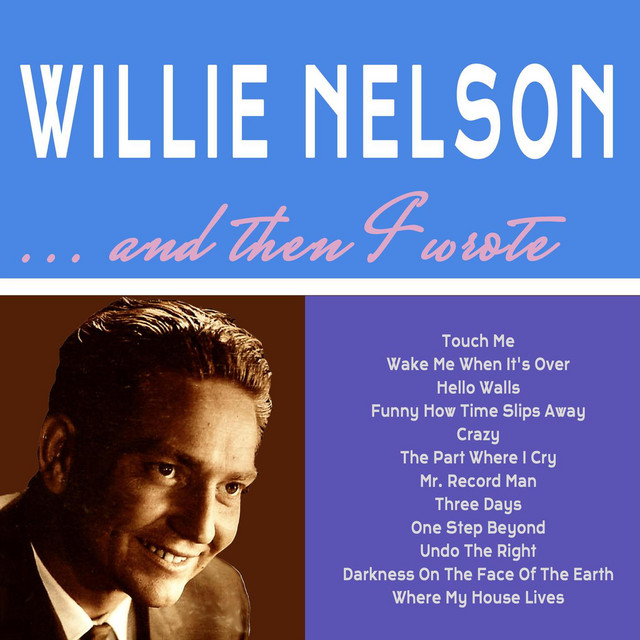
Carlo Rotella on Buck Owens’ CLOSE UP THE HONKY TONKS | Annie Nocenti on Patsy Cline’s THREE CIGARETTES IN AN ASHTRAY | Douglas Wolk on Lucky Starr’s I’VE BEEN EVERYWHERE | Will Groff on Ray Price’s NIGHT LIFE | Jonny Auping on Willie Nelson’s CRAZY
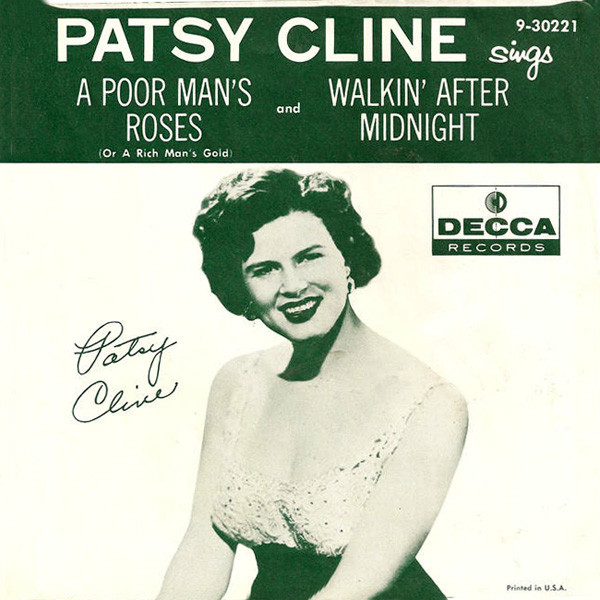
Brian Berger on Ernest Tubb’s THE YELLOW ROSE OF TEXAS | Jason Grote on Bill Browning and His Echo Valley Boys’ DARK HOLLOW | Peter Doyle on Willie Nelson’s FUNNY HOW TIME SLIPS AWAY | Sam Glenn on Johnny Cash’s BIG RIVER | Annie Zaleski on Patsy Cline’s WALKIN’ AFTER MIDNIGHT
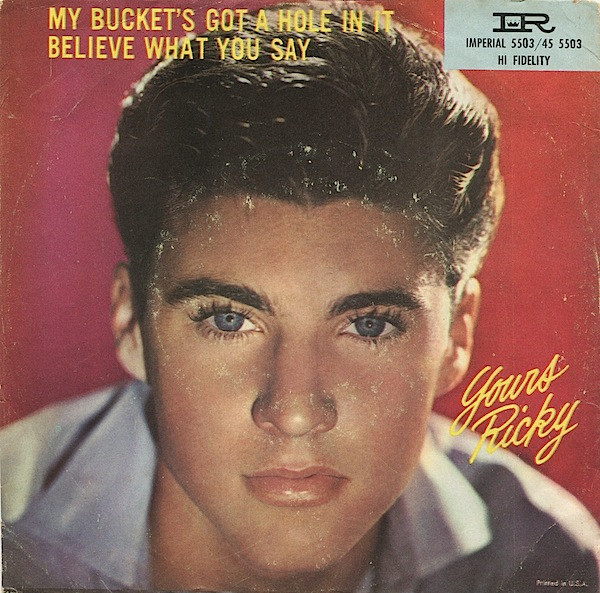
Adam McGovern on Elvis Presley’s BLACK STAR / FLAMING STAR | Chris Spurgeon on Ricky Nelson’s BELIEVE WHAT YOU SAY | Stephen Thomas Erlewine on George Jones’ WHITE LIGHTNING | Devin McKinney on George Hamilton IV’s ABILENE | Mark Richardson on Elvis Presley’s BLUE MOON
PATSY YOUR ENTHUSIASM kicks off tomorrow. Below, you’ll find a few thematic notes that I made, regarding the series contributors’ favorite country music of the Fifties, while reading their installments.
In my introduction to 2023’s DOLLY YOUR ENTHUSIASM (1964–73 country music) series, I identified three themes emerging from the series’ installments: story telling, the dialectic of joy and pain, and genre curiosity. As it turns out, these are also central to our contributors’ favorite country records from 1954–63. Perhaps these themes are country’s DNA.
It’s uncontroversial to claim that story telling is at the heart of country music’s appeal. Character arcs, conflicts, resolutions, vivid imagery, relatable characters — all packed into a 3-to-4 minute song. Songs that sound like direct conversations or personal narratives; songs exploring everyday struggles and experiences around heartbreak, redemption, and working-class life… yep, that’s country. What’s striking, to me anyway, about the discussions of story telling that you will discover in the PATSY YOUR ENTHUSIASM series installments, is just how formally and tonally sophisticated such story telling can be.
Writing about Willie Nelson’s “Crazy,” for example, Jonny Auping notes, “What’s lingering within the pulse of ‘Crazy’ is sarcasm. It’s not that the narrator doesn’t hurt. It’s that he’s at the point of self-awareness that he should have known better.” Likewise, on the topic of “Funny How Time Slips Away,” Peter Doyle writes, “Nelson’s narrator is having none of that I’ll-just-wander-off-and-suffer-in-silence stuff. He’s sending the bad vibes back to the faithless one. Friendly warning? Bitter curse? The drollery hovers unresolved between chivalry and menace.” Willie Nelson: the Hillbilly Jane Austen?
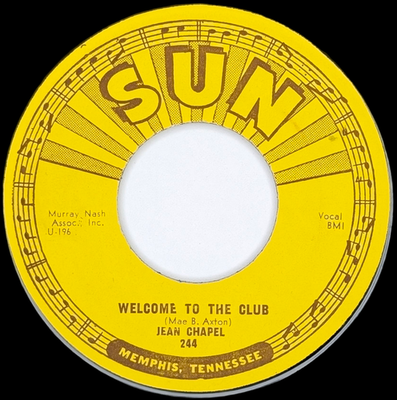
Women story tellers rose to prominence in country music during this era; their songs also told stories in a sophisticated way. In part this was thanks to sheer necessity — women artists had to reference the sexist context within which they were writing, without being “shrill.” Writing about Jean Chapel’s “Welcome to the Club,” say, Lynn Peril notes that
The club was […] a place where a woman could take refuge when a sexist double-standard marked her as “the ruin of a man” or “a petal on the withering rose.” Women bore the stigma when a relationship went bad, the song seemed to say; come in, sit down, and tell your new friends all about it. You’ll be OK.
Of course, female country artists during this era told simple stories too — often to very powerful effect. As Mimi Lipson says, in her essay on “I’m a Honky Tonk Girl”: “Loretta Lynn was my favorite. Her songs were so simple, her voice unfeigned and plangent. Amid the chaotic signifying of that time, her innocence and frankness called out to something innocent and frank inside me.” But such simplicity was hard-earned. Writing about the song “A Satisfied Mind,” Steacy Easton remarks:
Jean Shepard’s version is deeply sophisticated in how unsophisticated it is. There is a 2019 version for Country Road television that has a clarity of purpose: She believes, deeply, that she is “richer than far with a satisfied mind.” Though as of that date, she had been singing that track for more than 60 years.
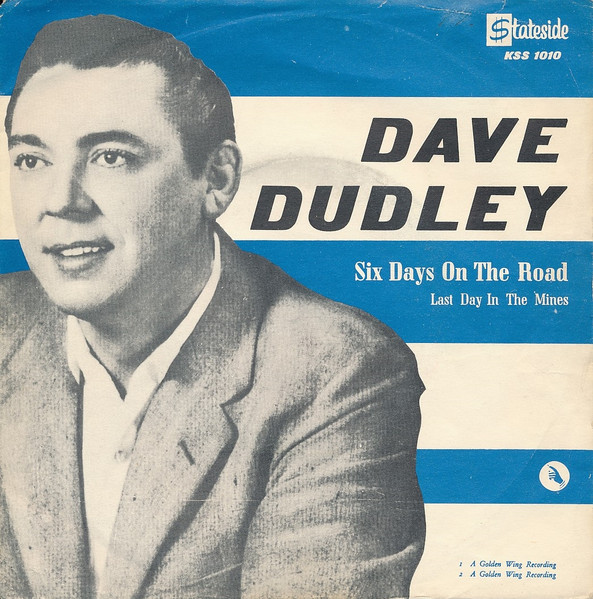
The PATSY series’ contributors also remain ever alert to the story-telling impact of a song’s performer — whether or not that person wrote the lyrics or music. “I am sure I am the first to refer to Dave Dudley’s ‘Six Days on the Road’ as the “‘Subterranean Homesick Blues’ of trucking songs,” insists Elizabeth Nelson, “and if I am wrong the world is an even more daunting place than I had previously realized.”
Writing about Elvis Presley’s “Black Star,” meanwhile, Adam McGovern finds in this posthumously released song a premonition of the artist’s fate: “The original is about an omen that hovers over the singer’s every move, a reminder of mortality hanging in the sky; ‘When I ride I feel that black star/That black star over my shoulder/So I ride in front of that black star/Never lookin’ around, never lookin’ around.'”
The potent, potentially explosive admixture of joy and pain — joy that wouldn’t feel nearly so good, perhaps, were it not for the release from / potential for pain; joy that requires pain — is another core component of country music’s 1954–1963 era.
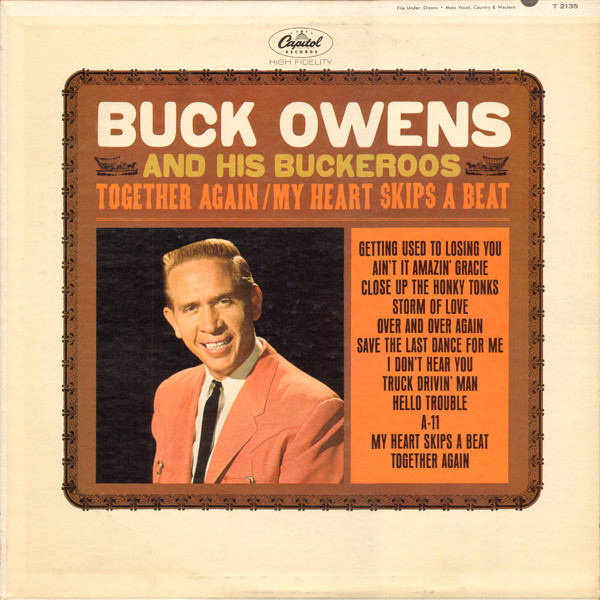
In his essay on Buck Owens’ “Close Up the Honky Tonks,” for example, Carlo Rotella observes this dialectic at the level of form:
The freight-train rhythm section keeps you going while the pedal steel and harmonies break your heart, and the central conceit — calling for the honky tonks to close by singing the kind of song that people flock to them to hear — breaks the tie by suggesting that you’re capable of a measure of ironic distance from your own suffering.
And writing about Johnny Cash’s “Ring of Fire,” a song that makes him giggle, Will Hermes is forced to admit:
The Biblical metaphor it aims for was, and remains, quite potent — particularly, I’ll assume, for most of us raised as Christians, and many others, too. And perhaps therein lies the song’s greatness, in this balancing act between fiery hot sex and fiery hot guilt, artful enough to allow the song to not only be issued on a major label in 1963, but be played on country radio, top those charts for weeks, and become part of the music’s compositional bedrock.
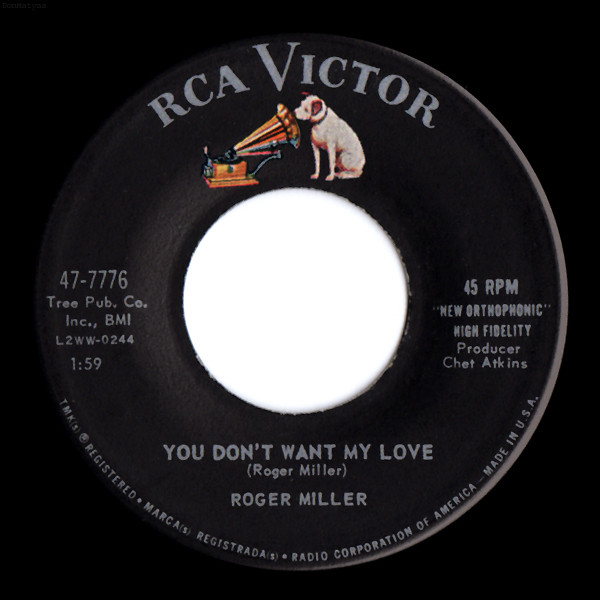
Charles Hughes agrees about country’s compositional bedrock. Writing about Roger Miller’s “You Don’t Want My Love,” he confesses: “I love that he can make me laugh and cry in equal measure — sometimes in the same song. He cuts up and cuts deep, and if that ain’t country… well, you know the rest.”
Despite its self-defeating, never-ending obsession with “authenticity,” country music — first forged by working-class laborers of diverse backgrounds sharing songs, rhythms, and techniques across cultural and racial lines — has from the beginning been a hybrid genre. Without European and Celtic folk ballads and fiddle tunes, African American blues and gospel (not to mention sliding guitar techniques, the banjo, etc.), “cowboy” ballads and vaquero rhythms, and so forth… there’d be no country music as we know it today.
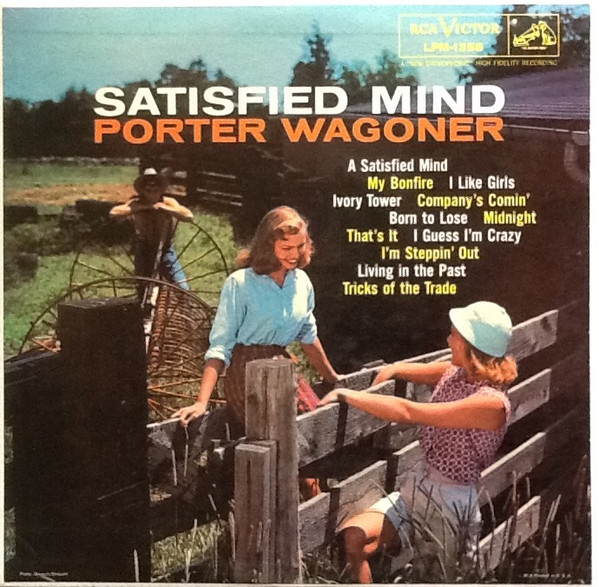
During the 1954–63 era, we find perhaps the first efforts to blend country with mainstream pop, rock, and R&B. Without which no… Outlaw Country, say, or Country Pop, and certainly no Country-Trap. Writing about Porter Wagoner’s “My Bonfire,” David Cantwell dates this particular effort at hybridization precisely to 1953–54:
[Wagoner’s] recording career began in that lost window between the death of Hank Williams and the emergence of Elvis Presley. One of my favorites of his recordings, the little-known “My Bonfire,” seems as if it were attempting to bridge those worlds but fits neither.
Writing about Marty Robbins’ “El Paso,” Nadine Hubbs introduces us to a hauntingly beautiful yet socioculturally vexed subgenre of country from this era:
His cowboy protagonist narrates the action sequentially, without chorus or repetition, in fifteen stanzas evoking the corrido ballad. In this border genre, born in an age of violent U.S. imperialist expansion, Mexican men defend their rights against Anglo male others. The formula flips in what José Limón in American Encounters calls the gringo corrido: An Anglo cowboy recounts a “sexualized encounter” with a “Mexican female ‘other’” — as in “El Paso.”
As for Jean Chapel’s “Welcome to the Club,” Lynn Peril notes that “With its percussive rhythm, Jean Chapel’s hiccuping vocals, and a hot guitar break, “Welcome to the Club” slides in on the knife’s edge between country and rock and roll.” Will Groff’s installment on Ray Price’s “Night Life” puzzles and marvels over the song’s genre-fluidity; for example, he writes: “The subject matter is unmistakably honky-tonk, but the song has minimal twang. Price’s baritone warble is hardly high lonesome, and yet the song lacks the lush orchestration and backing choirs that were hallmarks of the Nashville Sound style.”
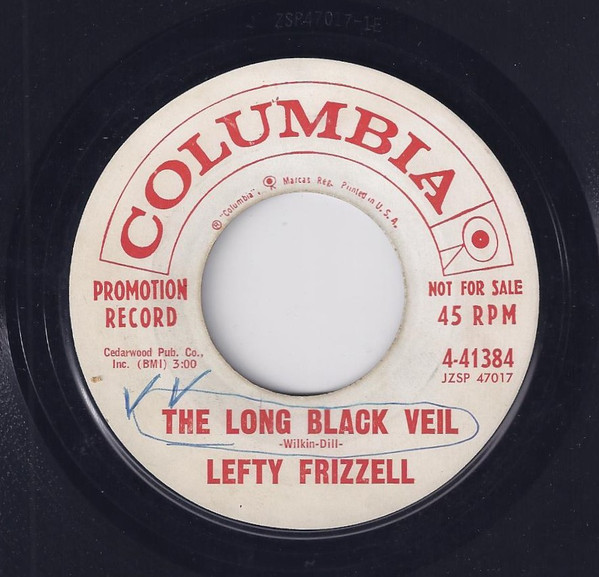
And regarding Lefty Frizzell’s “The Long Black Veil,” Eric Weisbard notes:
I have long loved Frizzell and had ‘Long Black Veil’ stuck in my head, without a specific performer attached. Linking the two suggests a country music tradition alternate to our own. One that remained largely unnamed, more folk and Americana, tinged with rock and singer-songwriter and self-defeating impulses, fond of constructed myth.
Charles Hughes, finally, in his installment on Roger Miller’s “You Don’t Want My Love,” urges us to stop worrying so much about genre purity:
The record demonstrates how skillfully [Miller] erased the oft-cited — and oversimplified to the point of uselessness — binary between “Nashville sound” showbiz and singer-songwriter integrity.
Hope you’ve enjoyed this stab at “thick description,” and now — if you haven’t already done so — please enjoy the PATSY series!
PS: There were many 1954–63 country records (and artists) that we couldn’t include in the PATSY series, no matter how much we may cherish them. Here’s my non-exhaustive list of such records:
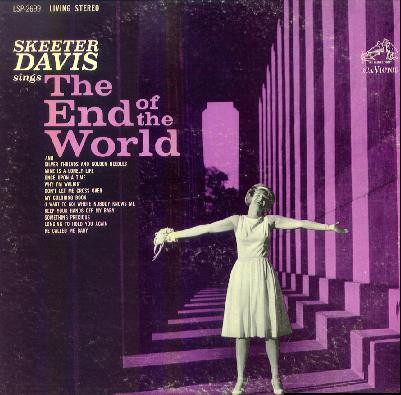
1954 Hank Snow’s I DON’T HURT ANYMORE | Webb Pierce’s SLOWLY | Webb Pierce’s MORE AND MORE | Jim Reeves’ BIMBO | Kitty Wells and Red Foley’s ONE BY ONE | Slim Whitman’s SECRET LOVE and ROSE MARIE | Eddy Arnold’s I REALLY DON’T WANT TO KNOW | Ray Price’s RELEASE ME | Kitty Wells’ RELEASE ME | Porter Wagoner’s COMPANY’S COMING | Lefty Frizzell’s RUN ’EM OFF | Jimmy Newman’s CRY CRY DARLING | Carl Smith’s BACK UP BUDDY | Goldie Hill and Justin Tubb’s LOOKING BACK TO SEE | Jimmy Martin’s 20/20 VISION | Wanda Jackson’s YOU CAN’T HAVE MY LOVE | Elvis Presley’s BLUE MOON OF KENTUCKY. 1955 Johnny Cash’s FOLSOM PRISON BLUES | Johnny Cash’s CRY! CRY! CRY! | Tennessee Ernie Ford’s SIXTEEN TONS | Webb Pierce’s IN THE JAILHOUSE NOW | Webb Pierce’s I DON’T CARE | Porter Wagoner’s A SATISFIED MIND | George Jones’ WHY BABY WHY | Jean Shepard’s I THOUGHT OF YOU | Louvin Brothers’ WHEN I STOP DREAMING | Kitty Wells and Red Foley’s MAKIN’ BELIEVE | Carl Smith’s LOOSE TALK | Elvis Presley’s I FORGOT TO REMEMBER TO FORGET. 1956 Johnny Cash’s I WALK THE LINE | Ray Price’s CRAZY ARMS | Sonny James’ YOUNG LOVE | Kitty Wells’ SEARCHING (FOR SOMEONE LIKE YOU) | Red Sovine and Webb Pierce’s WHY BABY WHY | Elvis Presley’s HEARTBREAK HOTEL. 1957 Ferlin Husky’s GONE | The Everly Brothers’ BYE BYE LOVE. 1958 Don Gibson’s OH LONESOME ME | Johnny Cash’s DON’T TAKE YOUR GUNS TO TOWN | Johnny Cash’s GUESS THINGS HAPPEN THAT WAY | Kitty Wells’ I CANT STOP LOVING YOU | Ray Price’s CITY LIGHTS. 1959 Ray Price’s HEARTACHES BY THE NUMBER | Johnny Horton’s THE BATTLE OF NEW ORLEANS | Skeeter Davis’ SET HIM FREE | Skeeter Davis’ HOMEBREAKER | The Browns’ THREE BELLS. 1960 Hank Locklin’s PLEASE HELP ME, I’M FALLING | Jim Reeves’ HE’LL HAVE TO GO | Ferlin Husky’s WINGS OF A DOVE | Skeeter Davis’ I CAN’T HELP YOU | Loretta Lynn’s I’M A HONKY TONK GIRL. 1961 Billy Walker’s FUNNY HOW TIME SLIPS AWAY | Faron Young’s HELLO WALLS | Wanda Jackson’s RIGHT OR WRONG | Wanda Jackson’s IN THE MIDDLE OF A HEARTACHE | Kitty Wells’ HEARTBREAK USA | Patsy Cline’s CRAZY | Patsy Cline’s I FALL TO PIECES | Skeeter Davis’ MY LAST DATE WITH YOU | Rose Maddox and Buck Owens’ MENTAL CRUELTY | Rose Maddox and Buck Owens’ LOOSE TALK | Marty Robbins’ DON’T WORRY. 1962 Claude King’s WOLVERTON MOUNTAIN | Hawkshaw Hawkins’ DARKNESS ON THE FACE OF THE EARTH | Ray Charles’ YOU DON’T KNOW ME | Ray Charles’ I CAN’T STOP LOVING YOU | Ray Charles’ BORN TO LOSE | Rose Maddox’s SING A LITTLE SONG OF HEARTACHE | Skeeter Davis’ THE END OF THE WORLD | Patsy Cline’s SHE’S GOT YOU | George Jones’ SHE THINKS I STILL CARE | Kitty Wells’ WILL YOUR LAWYER TALK TO GOD | Marty Robbins’ DEVIL WOMAN | Loretta Lynn’s SUCCESS. 1963 Bill Anderson’s STILL | Patsy Cline’s LEAVIN’ ON YOUR MIND | Patsy Cline’s SWEET DREAMS | Buck Owens’ ACT NATURALLY | Buck Owens’ LOVE’S GONNA LIVE HERE.
JACK KIRBY PANELS | CAPTAIN KIRK SCENES | OLD-SCHOOL HIP HOP | TYPEFACES | NEW WAVE | SQUADS | PUNK | NEO-NOIR MOVIES | COMICS | SCI-FI MOVIES | SIDEKICKS | CARTOONS | TV DEATHS | COUNTRY | PROTO-PUNK | METAL | & more enthusiasms!