
SKIN DEEP (FINALE)
By:
October 26, 2026
The closing feature in a series of posts profiling the artists (and organizers!) of the Black Cherry Lane: Presence exhibition, which honors the ancestors and descendants of Cherry Lane Cemetery, a burial ground for free and formerly-enslaved people which is now itself buried under a parking lot, and which the artists are imagining a new life and legacy for.
SKIN DEEP: INTRODUCTION by Adam McGovern | JEROME LAGARRIGUE | MARY EDWARDS | BEVERLY Y. SMITH | TIM OKAMURA | THOMAS DOYLE | YELENA TYLKINA | TAHA CLAYTON | GREG SHEA | LAZARUS NAZARIO
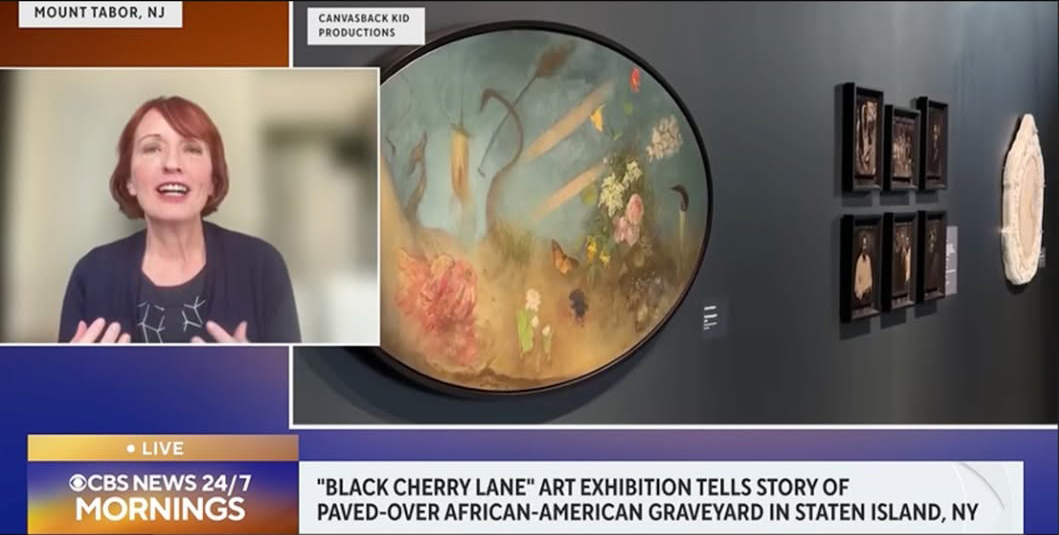
It takes a kinship to raise a village — communities build physical places to define themselves, and even a sense of place can build up among loved ones and like-minded people. Lost places can only be imagined — but imagination is what they need from us most. Artistic endeavors — exhibitions, film sets — convene communities that come together briefly but intensely; in the forthcoming documentary American Graveyard and its associated art exhibition, Black Cherry Lane: Presence, filmmaker Heather Quinlan, her movie’s real-life stars and a newfound artistic family have nurtured a community that’s built to last.
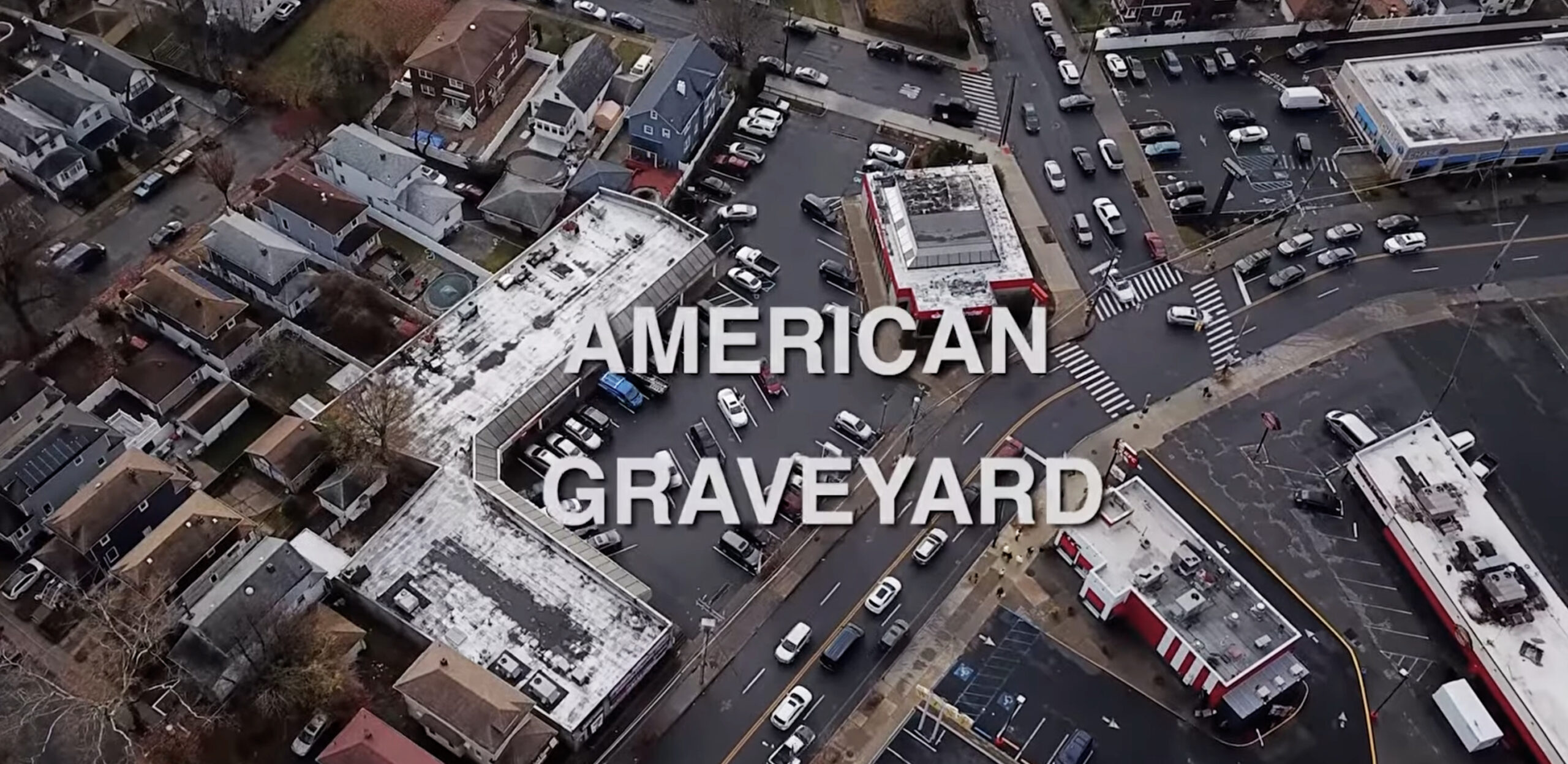
It’s been a quest to picture the unseeable — the erased surrounded by the ignored, or actively obscured. The Second Asbury AME Zion Church on the former Cherry Lane was a center of a thriving Black community on Staten Island in the 19th century; by the 1950s the church was torn down, its graveyard unmarked, and the property sold under unjust and dishonest circumstances, with the community members’ last resting place still lying under the asphalt of a strip mall parking lot today. They include possibly hundreds of human lives, free or formerly enslaved, of whom about 80 names are known; the best-known is Benjamin Prine, the last formerly-enslaved person to die on Staten Island.
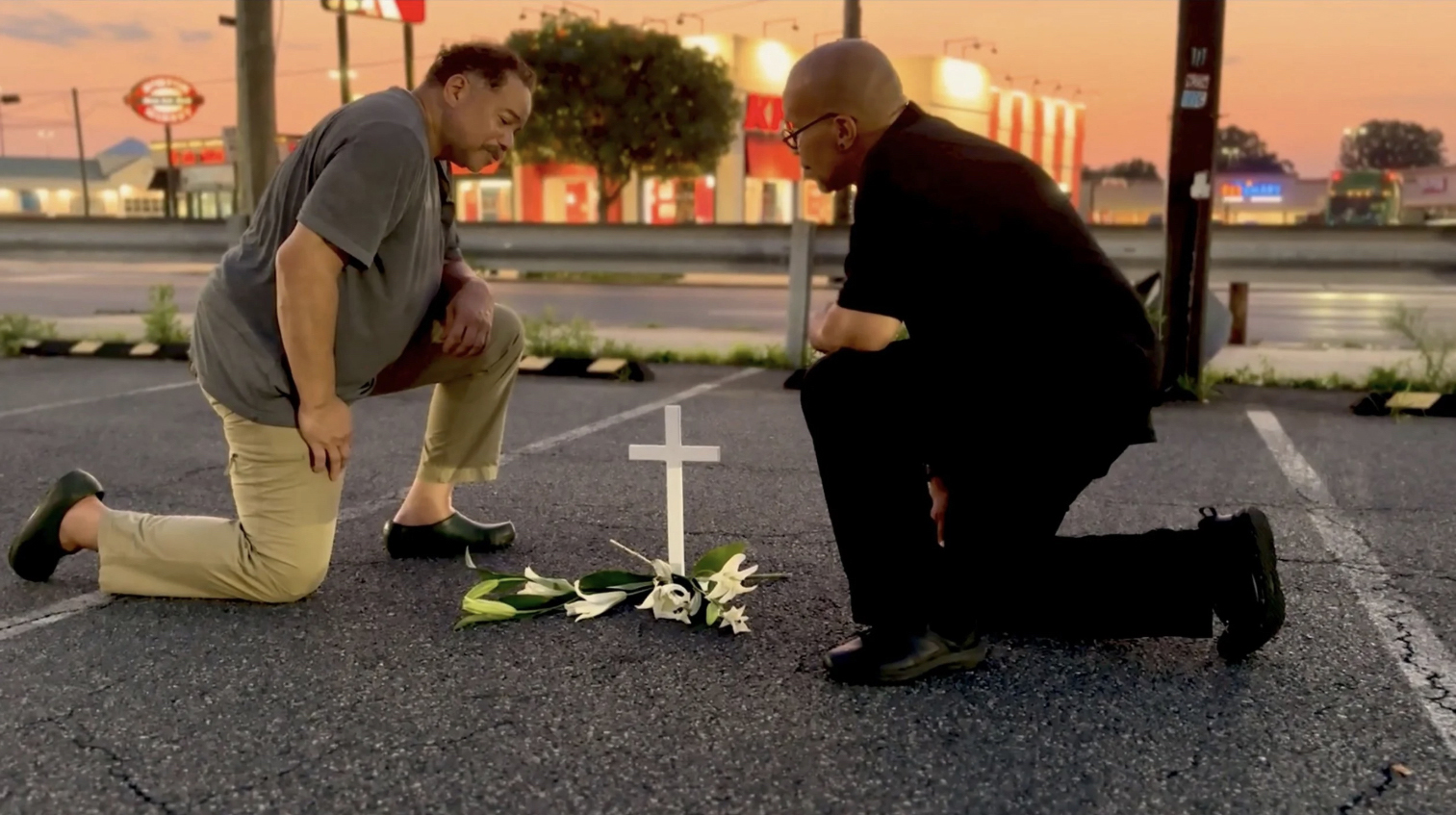
American Graveyard shines a light through the veils of unknowing and purposeful forgetting; schools don’t typically tell us that slavery existed in the North at all, assuring northern-born whites of our moral superiority and robbing our northern-born Black neighbors of their grounds for seeking justice; Staten Island is stereotyped by the rest of New York City as the backward, MAGA borough, in disregard of the vibrant communities of color, both modern and historic, on whose behalf such snobbery believes it is held.
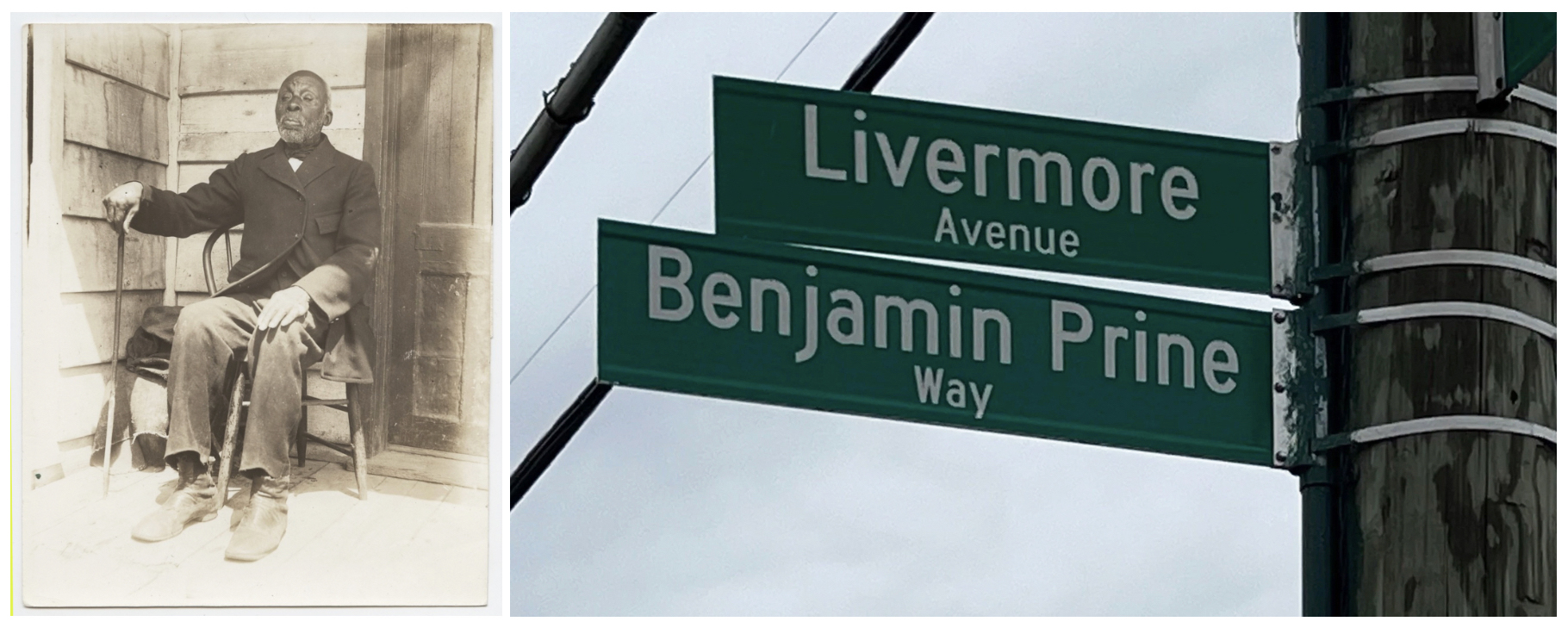
In fact, the later birthplace of Wu-Tang and longtime home of Audre Lorde had a Black population of 25% before full emancipation, still over 20% on the island’s North Shore; nonetheless, Quinlan found two descendants of Prine living a mile away from the paved graveyard who, like most of us, had no idea of this history. They and other descendants of the interred are now writing the next chapter; catalyzed by the ongoing film project, a memorial garden with commemorative plaque now stands on the property, and one adjoining street has been co-named Benjamin Prine Way. In the absence of references surviving from suppressed history, new vision must replace too-long emptiness, so Quinlan conceived of an art exhibition to restore the reality of what Cherry Lane once was, record what and who its community now is, and see forward to what it yet could be. Curator Lazarus Nazario assembled a gallery-full of painting, sculpture, textile art, drawing, new-antique photography, and soundscape to invoke and honor Cherry Lane’s past and present, and Quinlan’s film will culminate with this dedication to the descendants’ resilience and posterity.
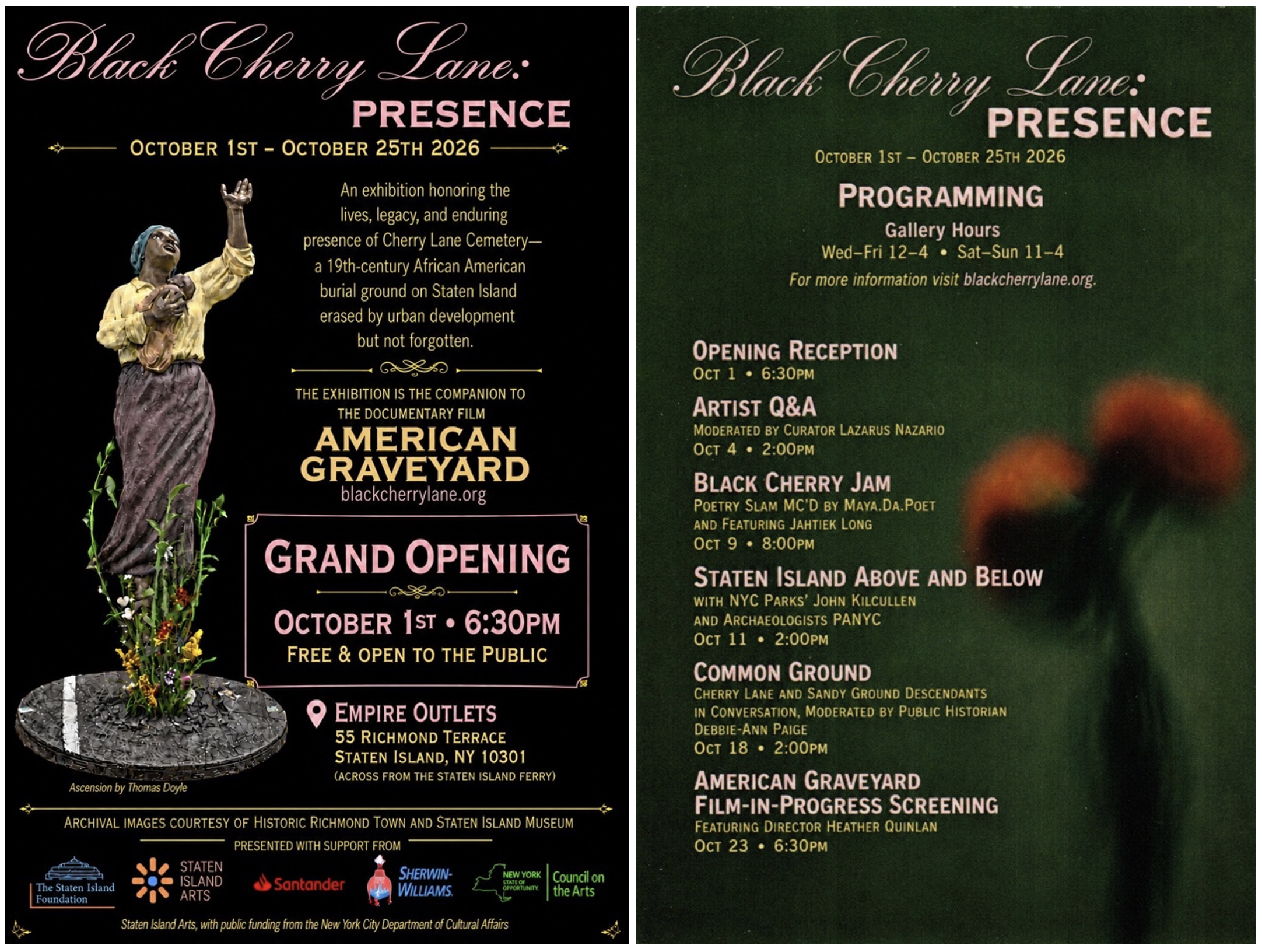
I spoke with her about this tribute to her own hometown, and her mission to get the story told of neighbors faced with the kind of homecoming in which the home has to come back to you:
HILOBROW: The story of Cherry Lane is something that’s been forgotten, many people made sure that nobody would hear the story, and so you have to be creative and use ingenuity it trying to reclaim that story. How do you feel that the artists in Black Cherry Lane: Presence took up that call?
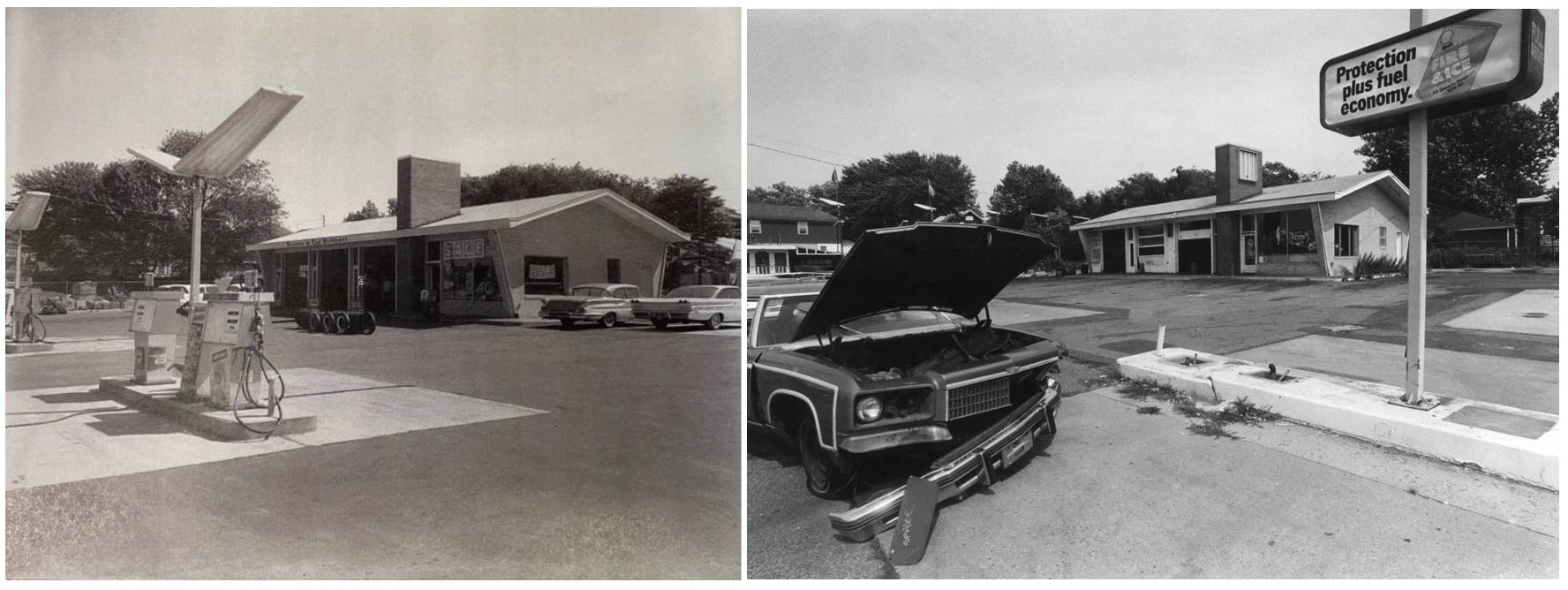
QUINLAN: The purpose of the exhibition was to create visuals that were lacking, both because this cemetery was demolished in the 1950s, but even going back further, the records for the local community, but even [for] Black Staten Islanders as a whole, were severely lacking, especially visual ones. So there was not a lot to be able to hold on to to create a film, other than a strip mall and a photo of Benjamin Prine. [Having just] that and documents, I didn’t feel like I could stretch that into a feature-length documentary of any interest. So I got the idea that perhaps artists could step in and create the visuals that I lacked. There aren’t even any illustrations of the church [or] the cemetery, but I also don’t have any illustrations or photos of the people in that community — not even necessarily who were buried there, but even just a part of the community; it was like the whole community vanished along with the church and cemetery. The artists did indeed fill in those gaps.
HILOBROW: How did they go about fulfilling that?
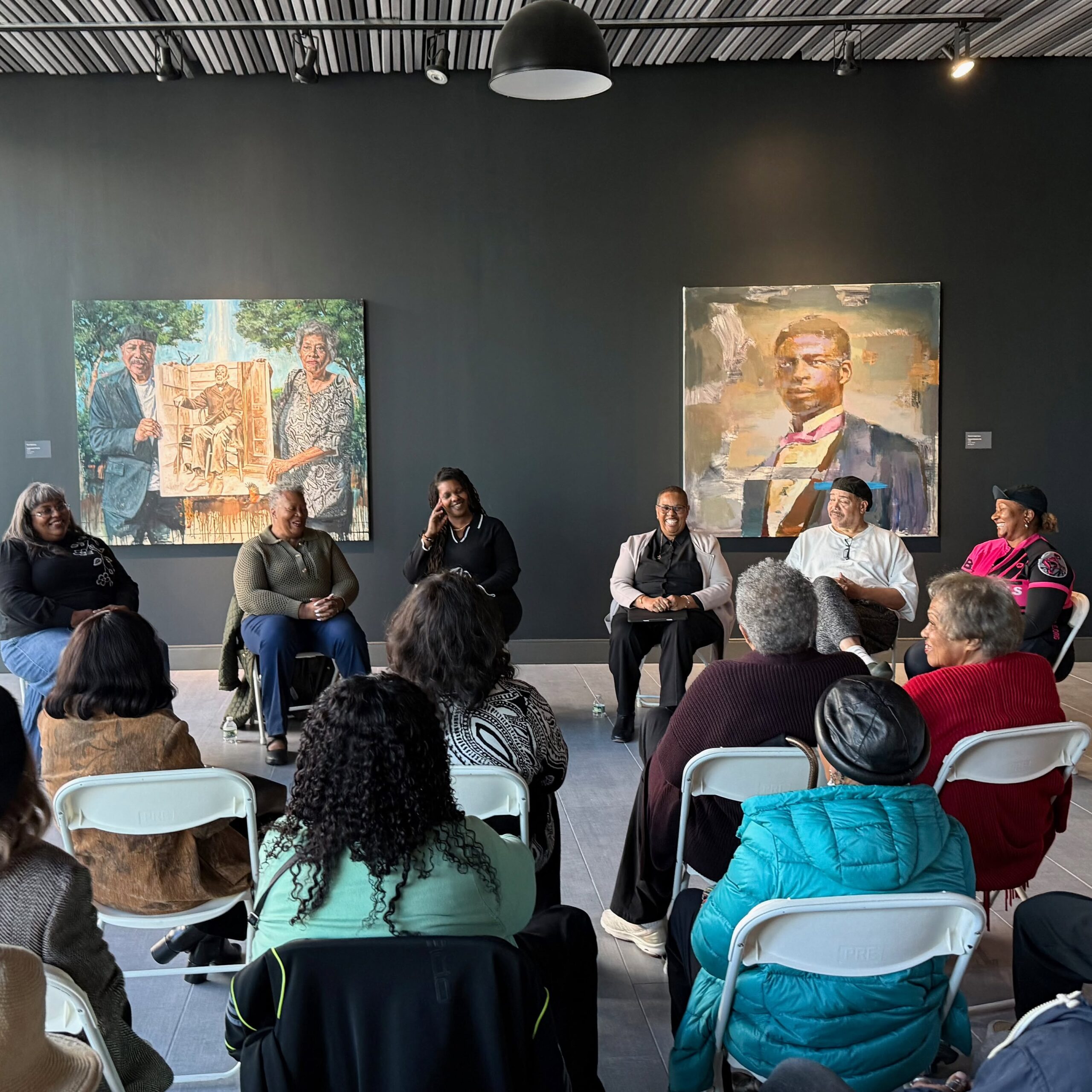
QUINLAN: One really important thing we did was, in May of last year, since the majority of artists were not from Staten Island, we had a meet-and-greet where the artists came to Staten Island; some came from as close as Brooklyn, and some came from as far away as New Haven, CT and Charlotte NC. Not only to meet the descendants, and see what exactly we were talking about when we were talking about the erasure of a cemetery, but also to see Staten Island, learn about Staten Island, learn about the people. And learn about… we held the meet-and-greet for the most part at Sandy Ground, which is [another] historic Black community on Staten Island. And they still have their church, and they still have their cemetery, and while development is encroaching on their territory, those two places are landmarked, so they have the ability to go to the cemetery and see the names of ancestors, and dates, and remember the stories that have been passed down. So [the artists] were able to see what happens when you have that, and talk to the Sandy Ground descendants, and then travel to what had been Cherry Lane, which is now a strip mall, and see what is not there; we wanted them to see firsthand what that erasure looked like.
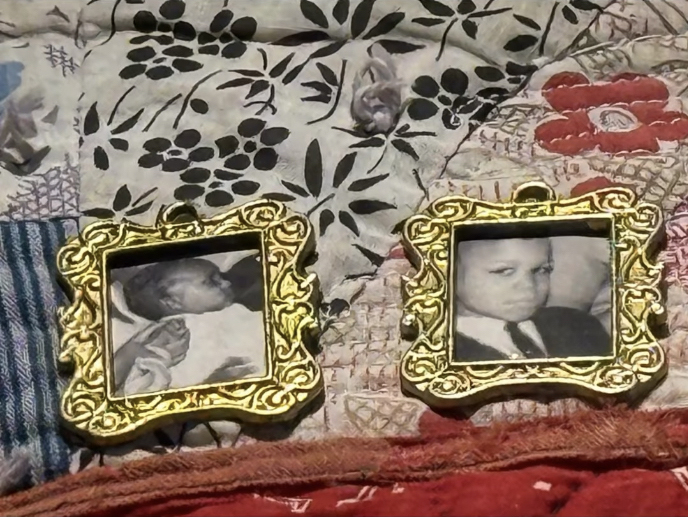
And they each had their way of expressing it… Jerome Lagarrigue who painted Distant Relative #18, which I think of as kind of like looking through the haze of an old TV with the horizontal not working right, and seeing into the past, or maybe the past seeing into the future. And Thomas Doyle’s miniature, of, almost a Madonna with Child, someone who would have been buried in Cherry Lane, rising through the asphalt with the trash strewn about her in miniature. Beverly Y. Smith, who came all the way from Charlotte, had a 9-foot quilt — this is what I loved about [the show], everyone was so thoughtful in what they did; Beverly included seashells because a lot of the people who were part of the congregation were oystermen; she had little framed photos of the descendants as children, she had [images] of some of the descendants and some of their parents, almost like a whole family tree in quilt form.
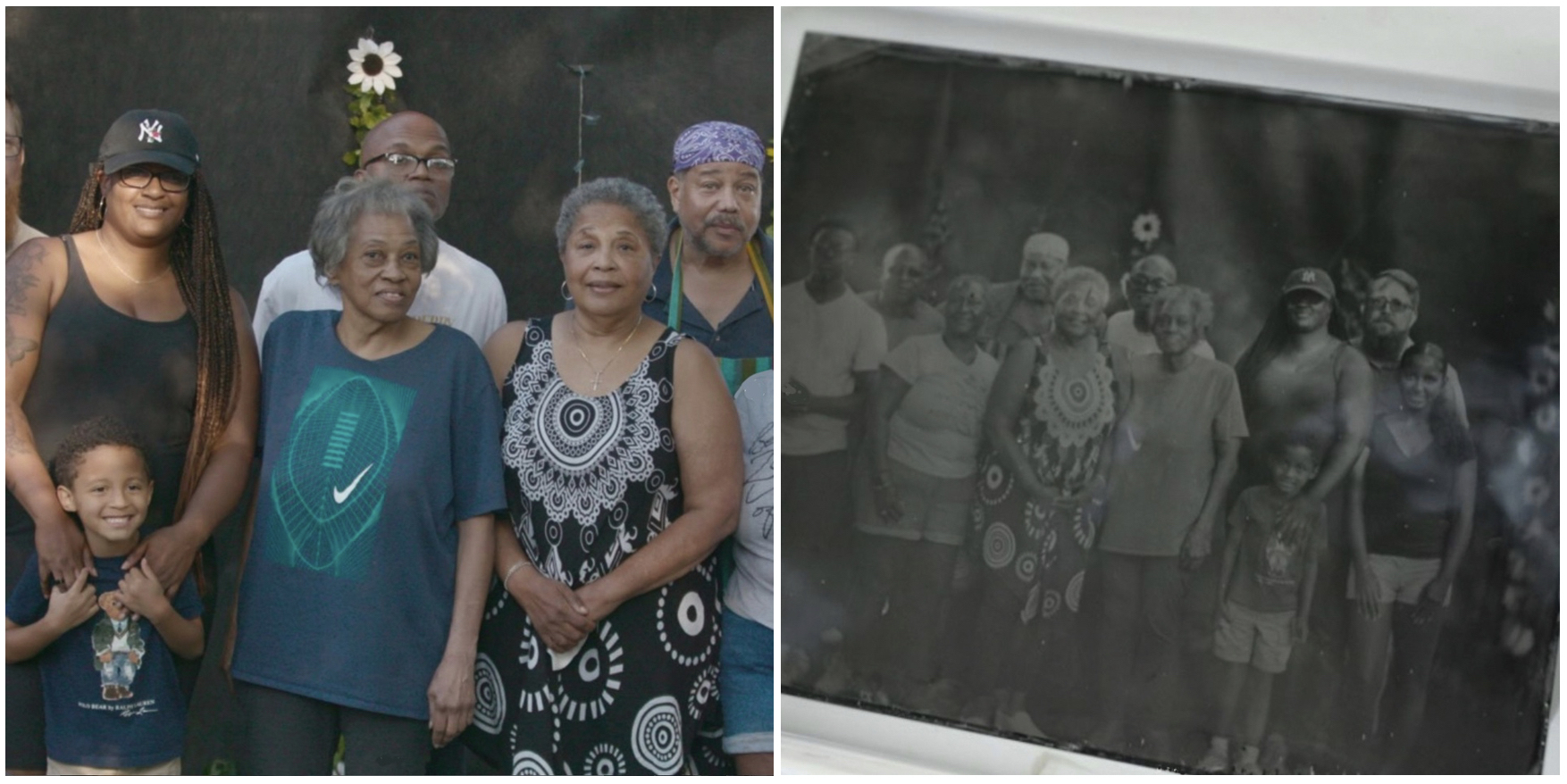
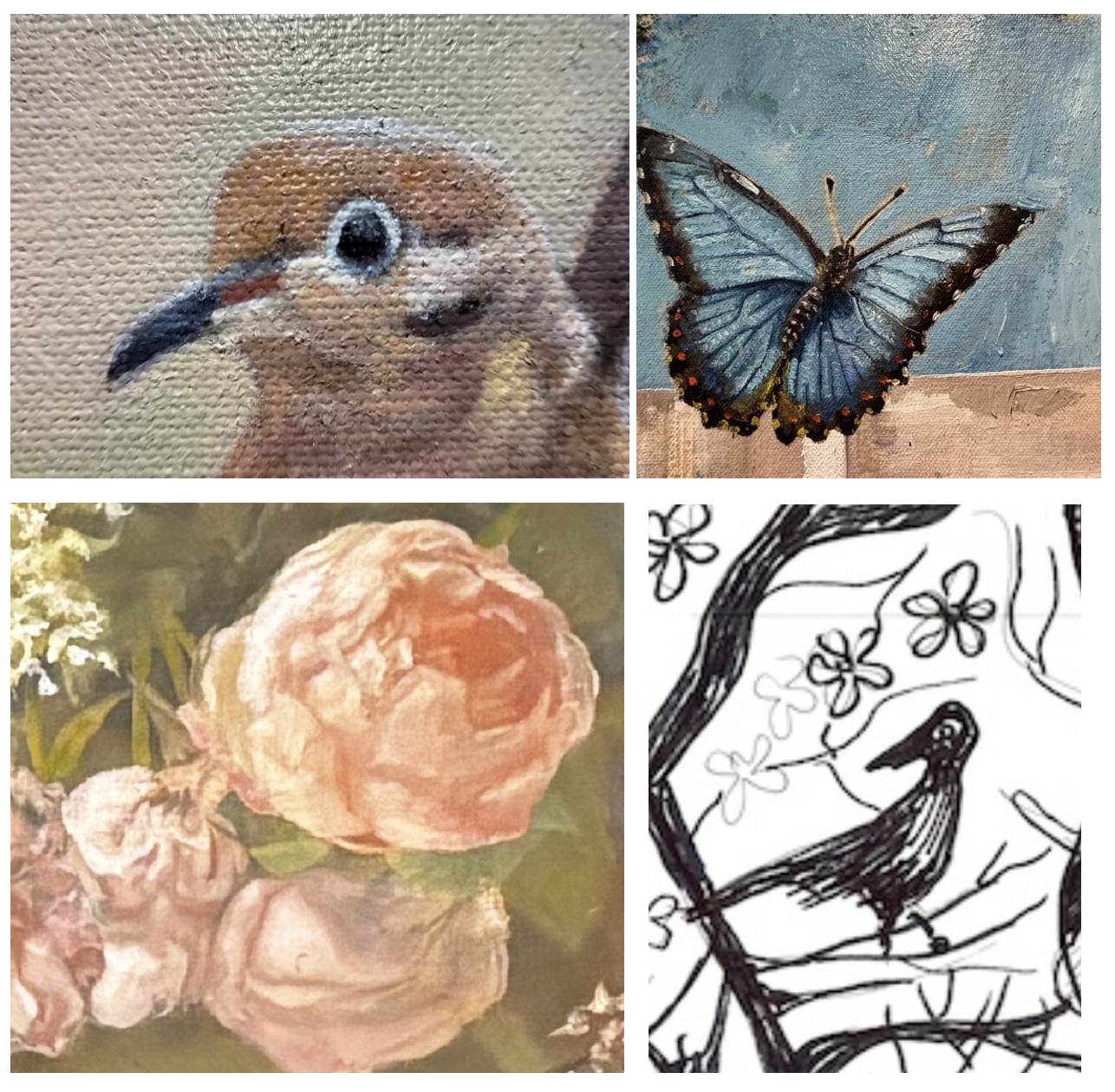
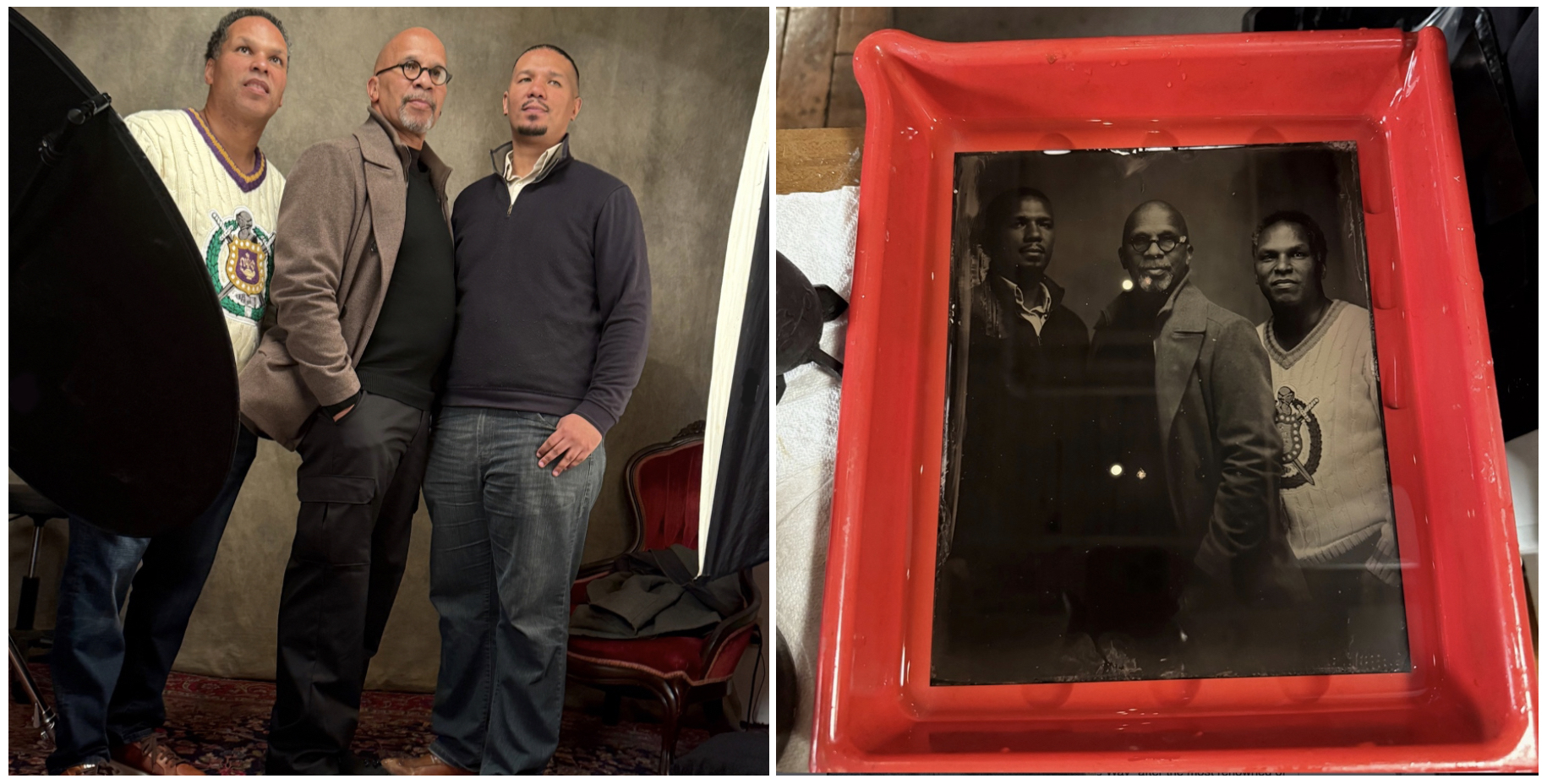
Greg Shea does wet collodion tintype which — I say that like I know exactly what that is [smiles], I don’t entirely but I do know it is a very old-fashioned way of taking photographs so it combined the old with the new. He was able to go to a Labor Day barbeque last summer that was the first time that two Cherry Lane families who had previously never met came together, and were together in this tintype photo he took. Lazarus did her piece, The Congregation, which was basically nature as the congregation, and each flower, each fruit representing someone. One thing I wanted to do before the exhibition comes down is take photos of all the flora and fauna that was created in this exhibition, because that is something that gets forgotten; not only are the people erased, but the nature is erased too, the birds and the flowers and the trees, all of that is gone.
HILOBROW: It’s almost as if, even in a temporary way, the gallery manifested a place that there can be a record taken of. One of the things that struck me most about this exhibition was that you collectively created a sense of place that hadn’t existed before; there was this welcoming cultural center within what had been a vacant commercial space. It almost felt like a proof-of-concept for the kind of civic creativity that could happen at the Cherry Lane site itself.
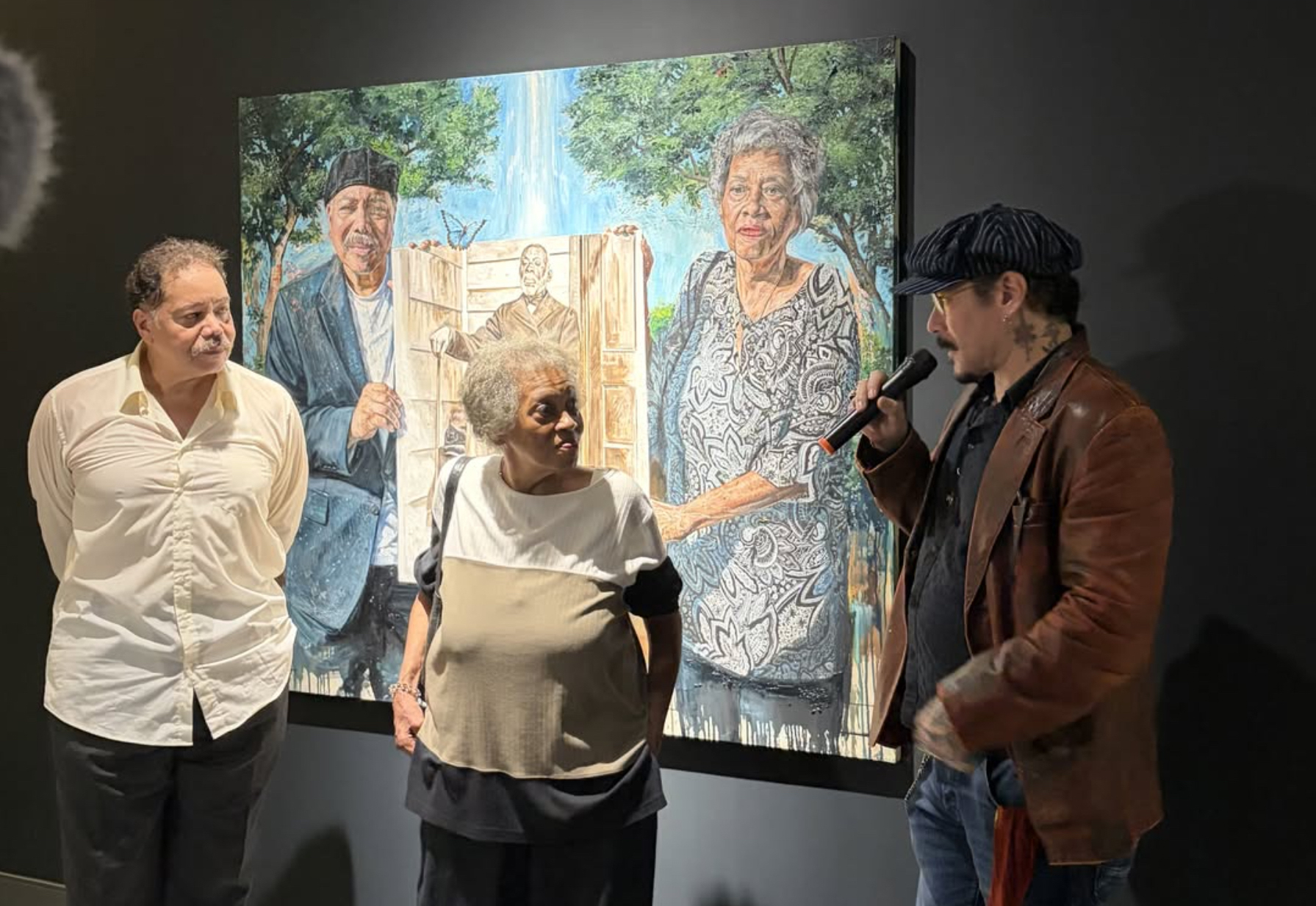
QUINLAN: It was a wonderful way to teach history through art; a lot of it is imagined, in a way, but on the other hand, there were [once] real people there, and, alright, they weren’t bursting out of the asphalt but that was a representation of exactly what a woman and a baby would have looked like back then; there were real descendants who were painted, there were actual photos of people who are alive today.
We also had various programs throughout the month, and I think it really gave people an interesting space for them to talk about different ideas; for instance we had the descendants of Sandy Ground and the descendants of Cherry Lane get together and talk about how they can work together to both prevent the erasure of one community and help maybe recreate or bring back another community.
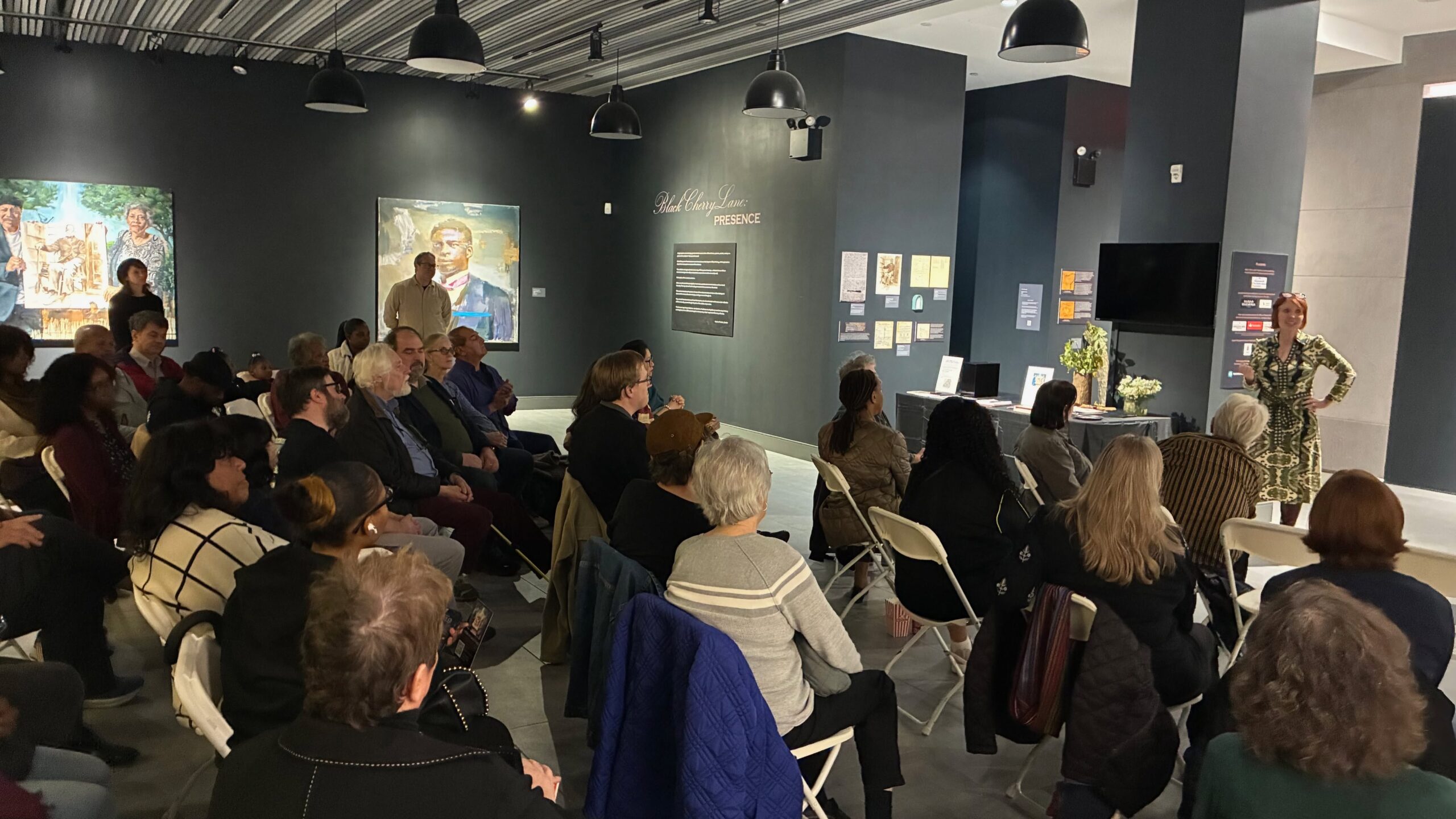
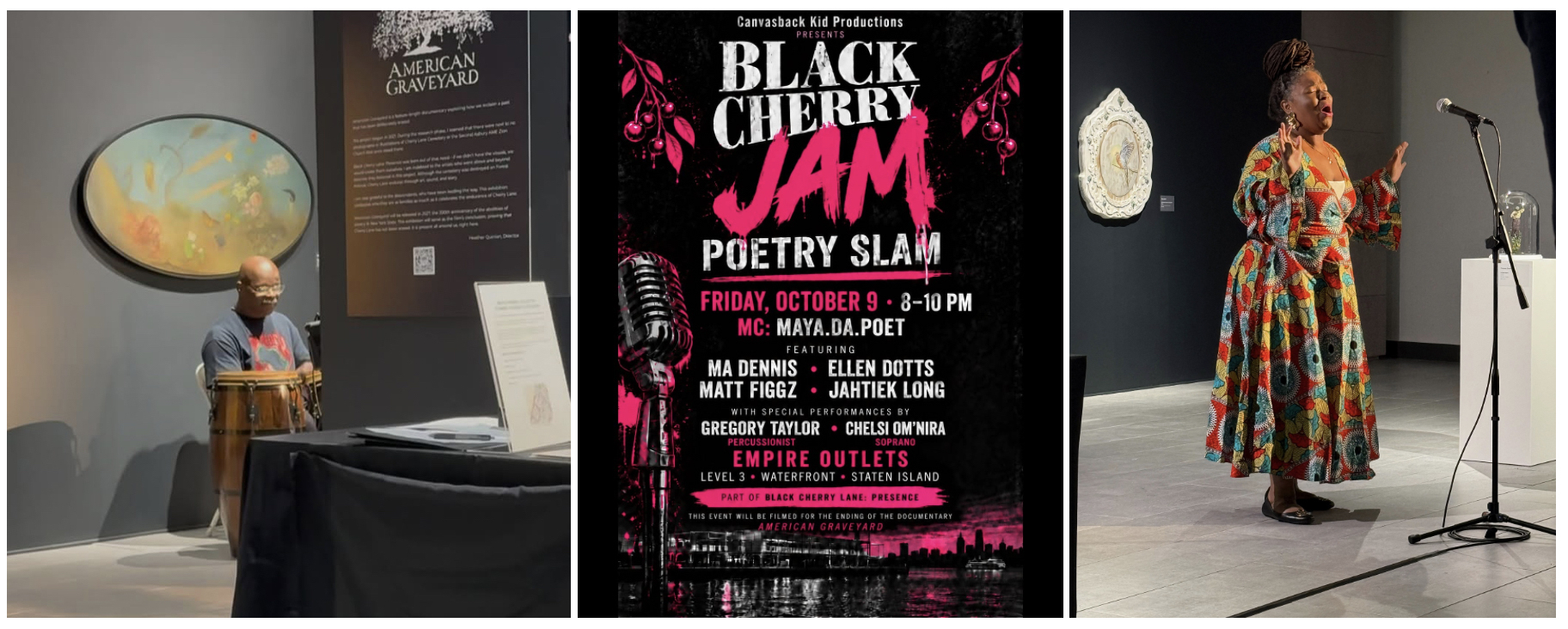
I had a work-in-progress screening of my documentary, and so it was a retail space converted into a gallery space converted into a movie theater! When you open up these ideas, people walk into it thinking, this is a place where I can learn, but I can also feel safe expressing myself, and talking about not [having known] about Cherry Lane, or, descendants talking about feelings of anger and disappointment they have; it’s a safe space for that. I certainly felt that way; I was really nervous about showing my film, but we had very welcoming crowds, for my film, for our poetry slam too. Poets created original work about Cherry Lane, and one of them even handwrote it out on loose-leaf paper, taped [the sheets] together, rolled it up like a scroll and then unrolled it to read out for the audience, and then handed it to me and said, “This is for you, you can hang it on the wall if you want.” And we did, so our exhibition grew by one piece of art while we were there!
HILOBROW: Film is an inherently collaborative medium, it takes many different tasks by different people, a kind of collage, it could be said, and I know that you’re envisioning a kind of collage technique for the styles and perspectives in your movie; I don’t know if that crystallized in part because you were involved in this collective effort of the exhibition…
QUINLAN: Actually the idea came when Amos Poe, who was a filmmaker who documented the early days of punk rock, passed away in December of 2025, and in reading about him I suddenly got the idea for the style. I think people feel that if something is supposed to really be historically valuable, it needs to be on public television, and made like public television films are made. I certainly felt that way, and I was making American Graveyard in a way that I felt would work for public television. To be honest, even before Trump took office [again], public television was sort-of interested, sort-of not, “needed to see more”…all I can say is, I think this story doesn’t lend itself to that style. Not to say there’s anything wrong with that style, and I will say, had I had all of those photos and illustrations and archival materials that I lack, I would have been able to put it together [that way], it would have been such an easier project, and would have been done years ago — it forces me to be more creative as a filmmaker, which takes longer, is more difficult, [but] it is more rewarding. The exhibition didn’t make me think of changing the style of the film to one of collage, it was Amos Poe’s obituary, but that certainly will be a large part of it, and I don’t think that style could exist as well as possible without this exhibition.
HILOBROW: There’s been much discussion through the decades of the role of the filmmaker in a documentary; a piece like this is not so much a removed journalistic report as it is like an as-told-to memoir on film, but there are questions about whether closeness to the subjects compromises one’s “objectivity.” But then again you have to embed yourself almost as a member of a family to get a story like this, to build trust with people who are letting you into their lives. What are your thoughts about, so to speak, keeping yourself out of it while keeping your heart in it?
QUINLAN: I think my job as a filmmaker…obviously I want what the descendants want for that site, whatever that may be; I am not going to stand in their way, I don’t tell them how to behave for the camera, I let them be however they want to be. But when you are dealing with a topic that involves a lot of advocacy, you do find yourself advocating on its behalf in terms of just getting the word out about it. That alone maybe some would feel is overstepping my bounds, because I should just be filming people getting the word out themselves; well, it is such an erased [place] and such a difficult topic for people to wrap their heads around, it would take decades for that to happen; sometimes you have to go shout it from the rooftops of Todt Hill [highest point on Staten Island and indeed all of NYC] or wherever: that this place existed and these people existed, and this is something that people need to know about. Beyond that, I leave it to others to carry the story.
[Click the links at the top for profiles of all the creators contributing to Black Cherry Lane: Presence! American Graveyard is set to premier in 2027, the bicentennial of full emancipation in the state of New York; follow the progress and donate to the completion of the film here.]